The best way to banter is to use playful teasing, witty remarks, thoughtful callbacks, and lighthearted humor to create engaging conversations that both people enjoy. Good banter builds rapport, shows genuine interest, and keeps text conversations interesting without making the other person feel uncomfortable. Whether you are talking to a friend, coworker, or someone you are dating, successful banter relies on mutual participation, good timing, and a shared sense of humor rather than trying to deliver the perfect joke.
Friendly, playful, witty, flirty, and funny banter each serve a different purpose, while techniques such as light teasing, callbacks, and playful challenges help conversations feel more natural. Recognizing why banter sometimes falls flat, knowing the difference between friendly and flirty banter, and identifying signs that your playful exchanges are being received well all contribute to more engaging conversations and fewer misunderstandings.
What Is Banter?
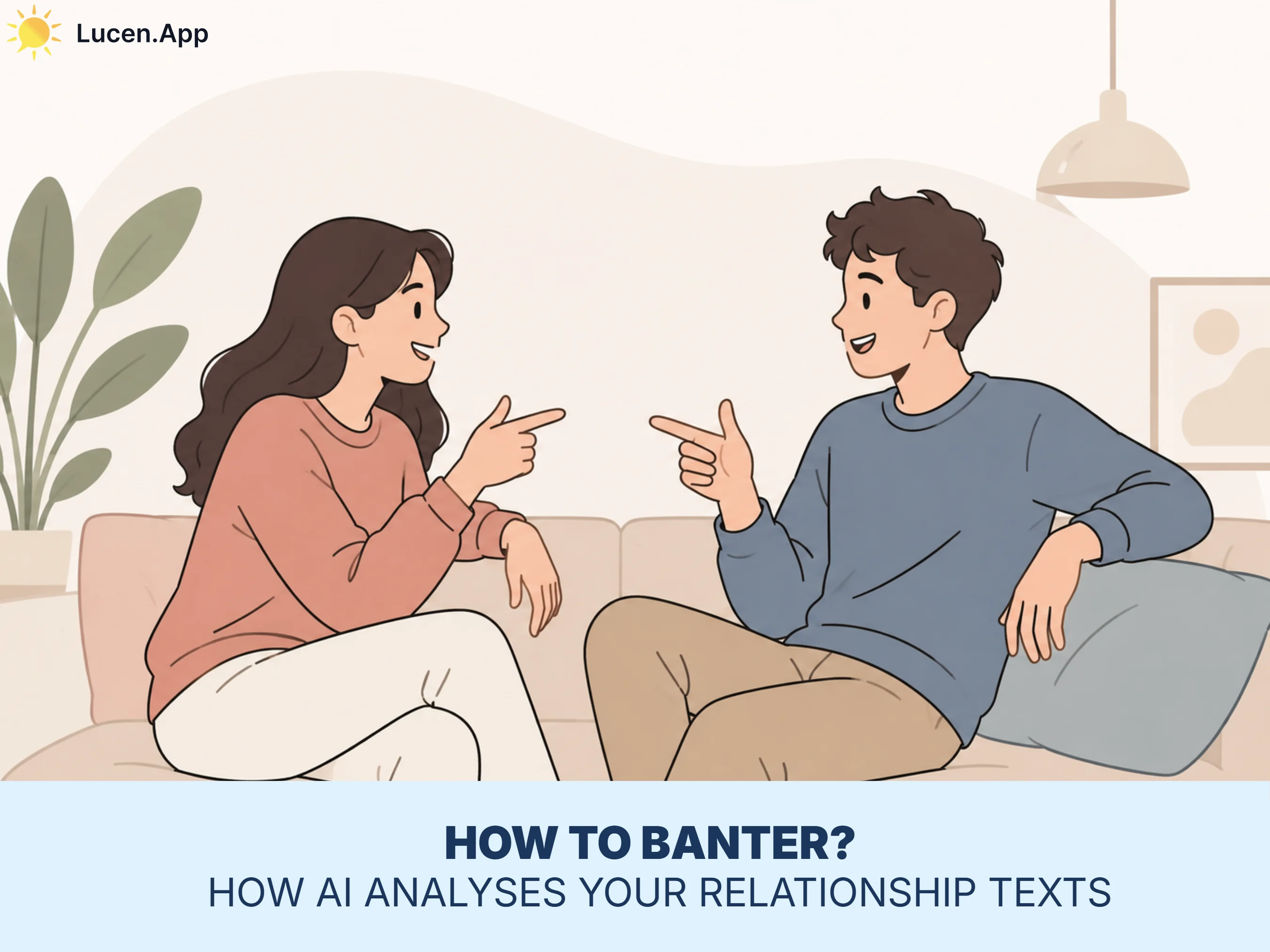
Banter is playful, good-natured teasing or the exchange of witty remarks during conversation. In formal terms, banter is a lighthearted back-and-forth in which people tease or playfully challenge one another, often using humor to build rapport and create a relaxed atmosphere. In slang or casual settings, banter can mean quick, clever comments or jokes that keep a conversation lively and interesting.
Relying on a sense of humor, banter often includes playful teasing, making both parties feel engaged and connected. In real conversations, banter takes the form of short, funny exchanges that show interest and help people feel more comfortable with each other. This dynamic is just as vital in digital communication, where banter can transform ordinary text exchanges into meaningful and enjoyable interactions.
Why Is Banter Important in Text Conversations?
Banter is important in text conversations because it helps build rapport, show genuine interest, keep conversations engaging, express personality, encourage mutual participation, and strengthen relationships. Since text messages lack tone of voice, facial expressions, and body language, playful teasing, witty exchanges, and a shared sense of humor communicate warmth and intent through words alone. These qualities make conversations feel more natural, memorable, and enjoyable, particularly in dating and relationship conversations where meaningful interaction often develops through texting.
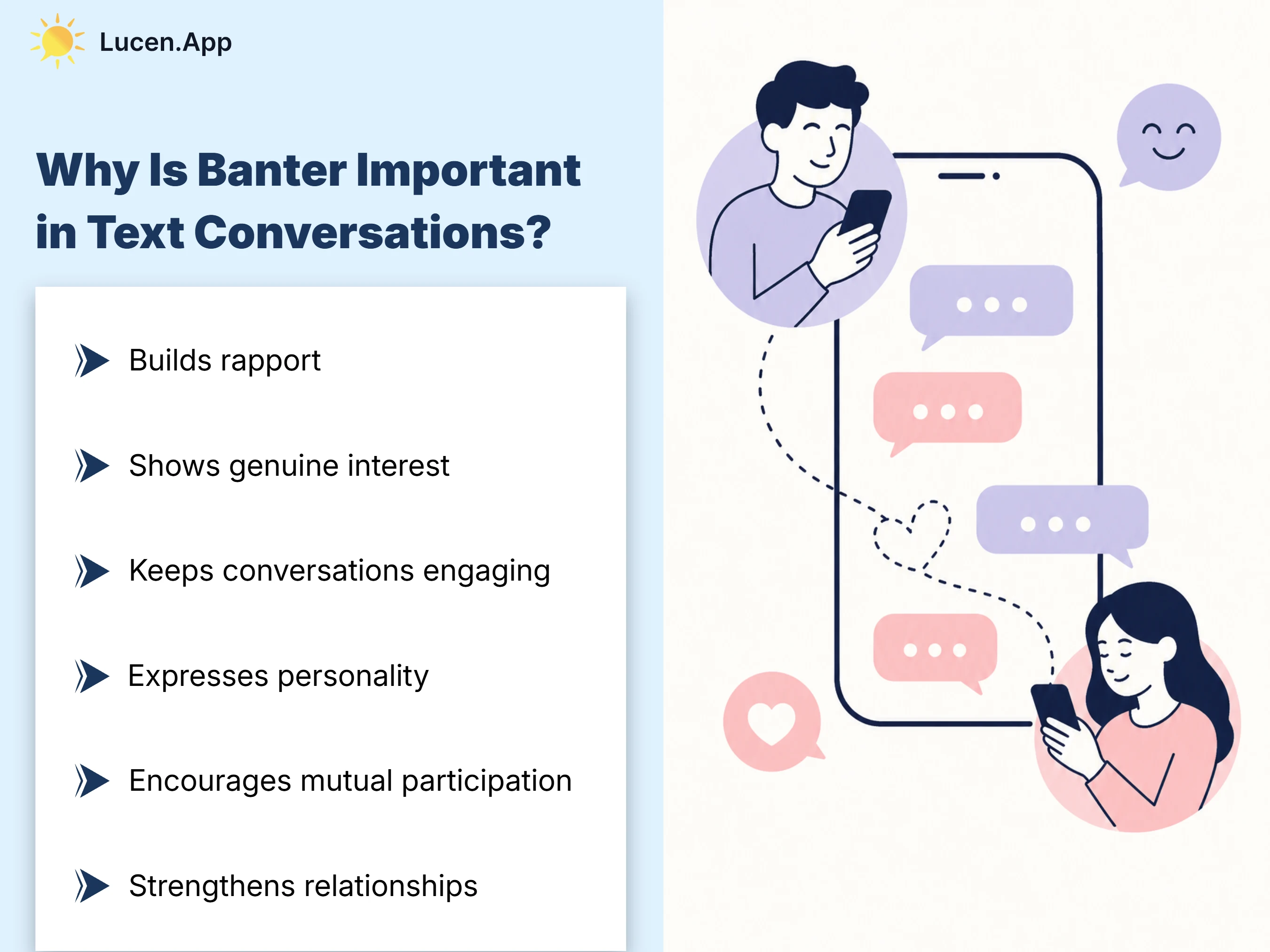
- Builds rapport: Playful banter creates a comfortable atmosphere where both people feel relaxed and connected, making conversations easier to continue.
- Shows genuine interest: Thoughtful teasing and witty replies demonstrate that you're paying attention and actively participating instead of sending routine responses.
- Keeps conversations engaging: Banter transforms small talk into enjoyable back-and-forth exchanges that encourage both people to contribute.
- Expresses personality: Humor, clever observations, and playful challenges reveal confidence, communication style, and individuality in ways that ordinary texting often cannot.
- Encourages mutual participation: Good banter invites witty responses rather than ending the conversation, helping both people build on each other's jokes and ideas.
- Strengthens relationships: Consistent, enjoyable banter helps friends, partners, and romantic interests develop familiarity, trust, and a deeper connection over time.
What Are the Best Examples of Bantering?
The best examples of bantering combine playful teasing, quick thinking, and mutual participation to create conversations that feel natural and enjoyable. Whether the exchange is friendly, competitive, or flirty, successful banter encourages both people to respond with humor rather than take the comments personally. The goal is not to win the conversation but to keep it engaging while building rapport and strengthening the connection.
Friendly Banter Examples
Friendly banter helps people feel comfortable around each other by using lighthearted teasing and witty remarks to create a positive, enjoyable conversation. It focuses on creating a positive atmosphere rather than showing romantic interest, making it a natural fit for conversations with friends, coworkers, acquaintances, or someone you're getting to know. Using friendly banter helps build rapport, makes conversations more engaging, and supports a deeper connection in everyday interactions.
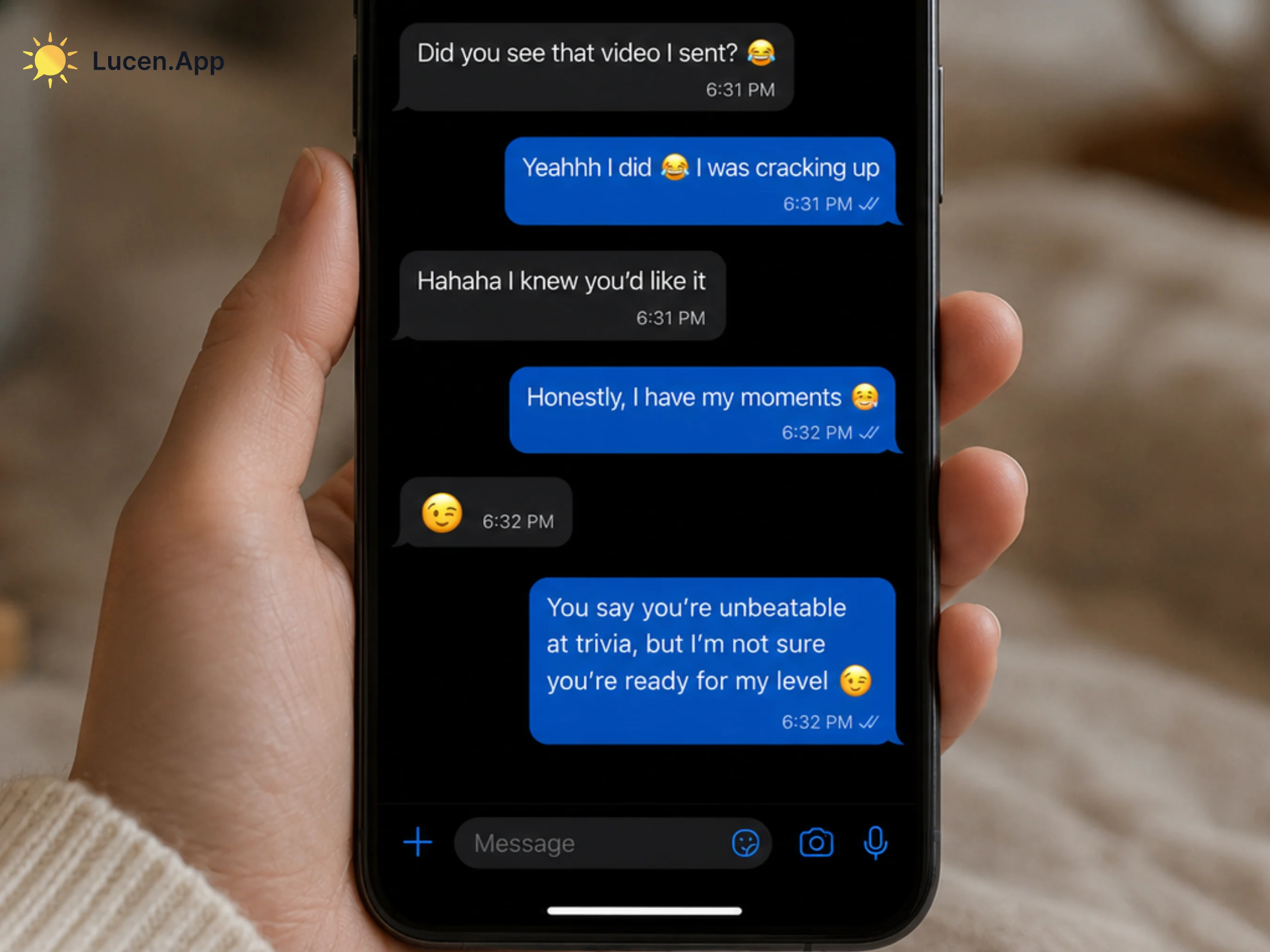
Here are several examples of friendly banter suitable for text chats, each showing playful teasing, humor, or a gentle challenge:
- Nickname Play: “Careful, if you keep being this funny, I’ll have to start calling you ‘Comedian of the Year.’” Uses playful teasing to show appreciation for the other person’s humor without crossing any boundaries.
- Gentle Challenge: “You say you’re unbeatable at trivia, but I’m not sure you’re ready for my level.” It's a playful challenge to the other person, inviting a fun competition and keeping the conversation lively.
- Mock Boasting: “I make the world’s best pancakes-at least, according to my very honest dog.” This line uses humor and exaggeration to keep the mood light and encourage a funny reply.
- Playful Sarcasm: “Oh, so you’re a morning person? I didn’t know those actually existed.” The comment gently teases the other person about their habits, showing a sense of humor while keeping the tone friendly.
Playful Banter Examples
Creating a fun and engaging conversation is the goal of playful banter, which uses lighthearted teasing, good timing, and a shared sense of humor to keep both people involved. Unlike friendly banter, which focuses on keeping conversations relaxed, playful banter introduces more creative teasing and playful challenges while remaining respectful. Using playful banter helps create a fun, engaging atmosphere in conversations and encourages a stronger sense of connection between people.
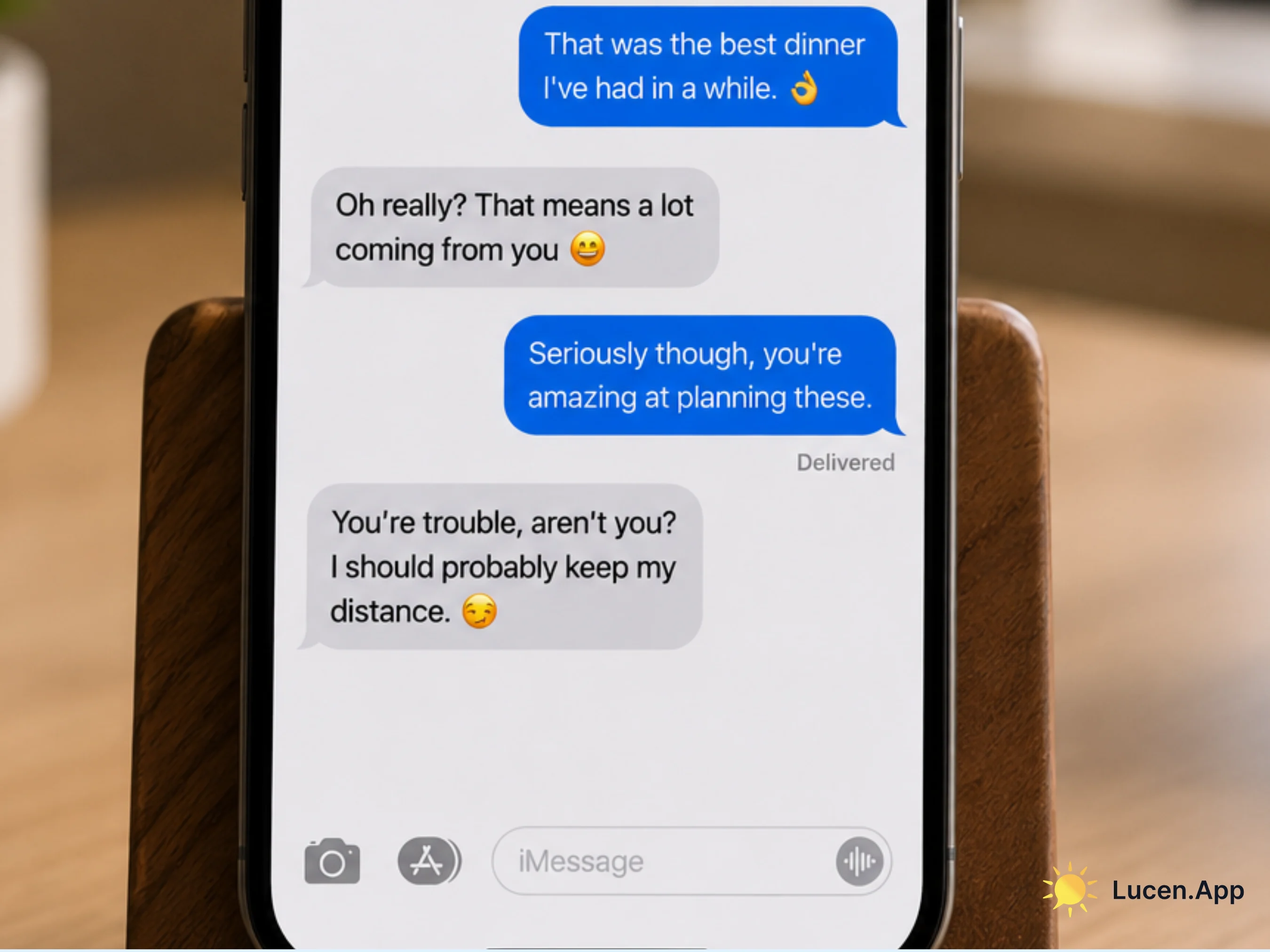
Here are several playful banter examples, each showing a different technique and why it works:
- Compliment Tease: “You’re trouble, aren’t you? I should probably keep my distance.” Playful teasing by giving a compliment in disguise, suggesting the other person is interesting or attractive enough to be “trouble.” It works because it flatters while keeping the mood light and fun, inviting a witty reply.
- Compliment Tease: “If you keep being this charming, I might have to start charging you for my company.” Combines a compliment with a playful challenge, making the other person feel valued while encouraging them to keep the conversation engaging. It signals a sense of humor and builds rapport.
- Us Against the World: “Looks like it’s just us surviving this boring meeting. Teamwork makes the dream work, right?” Creates a playful alliance, making both people feel like they are in on a private joke. It helps form a deeper connection by turning a dull situation into a shared experience.
- Us Against the World: “If we get lost, at least we’ll have each other to blame. Deal?” Uses humor to create a sense of partnership, suggesting that facing challenges together is more fun. It works by making the conversation feel more personal and inclusive.
Witty Banter Examples
Keeping conversations engaging often comes down to witty banter, which combines clever remarks, playful teasing, and quick comebacks to create an enjoyable back-and-forth. It relies on timing as much as humor, allowing both people to respond naturally while showing confidence, personality, and genuine interest. Witty banter like this helps readers practice exchanges that build on each other's remarks and make conversations more memorable.
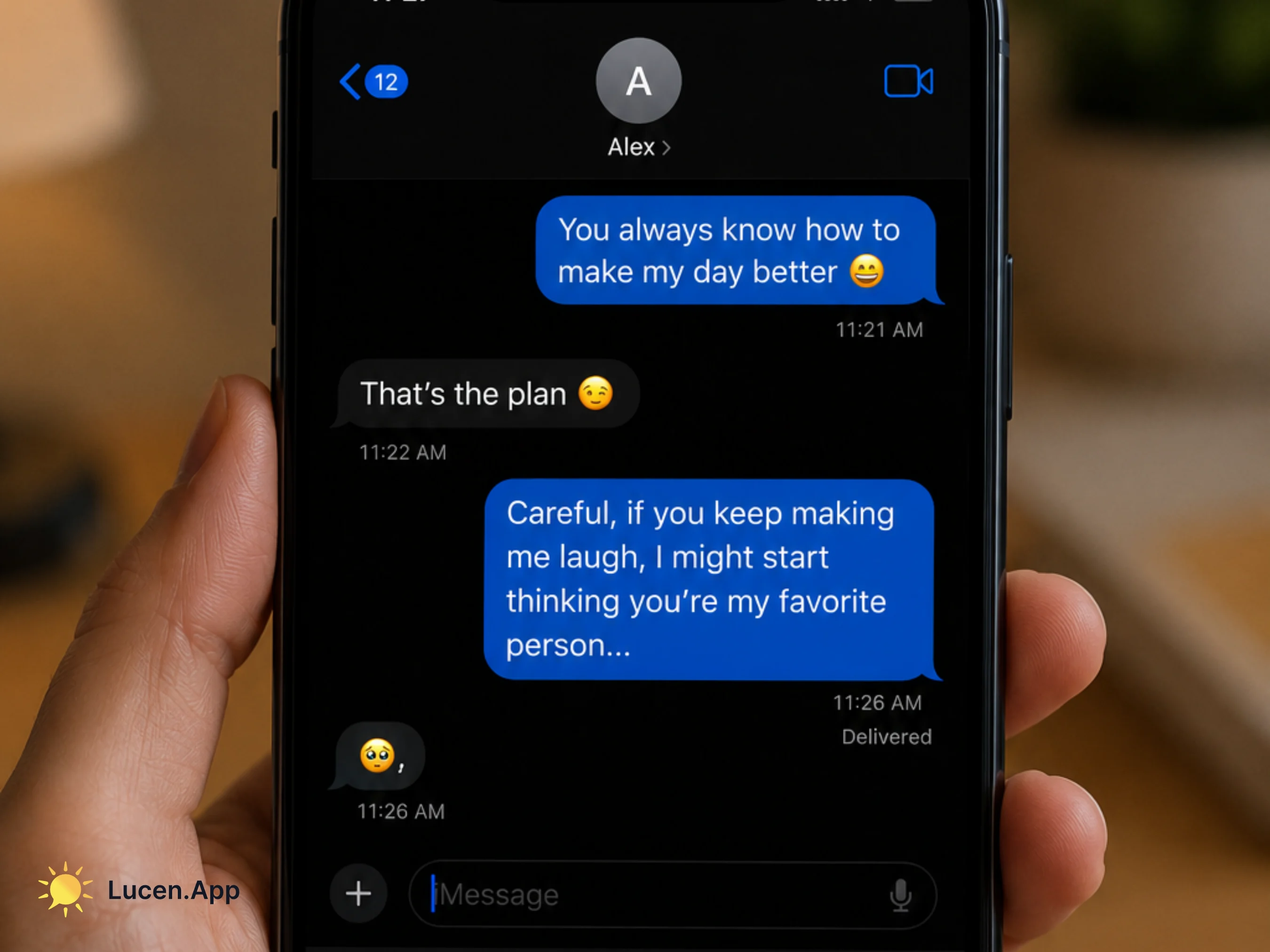
Here are several witty banter examples, each showing sharp observations and clever replies:
- Playful Challenge: “Are you always this competitive, or is it just when you’re losing to me?” A gentle challenge to spark a fun rivalry and show interest without being too direct.
- Flirty Tease: “Careful, if you keep making me laugh, I might start thinking you’re my favorite person.” Signals attraction by mixing humor with a compliment, keeping the mood positive and light.
- Quick Comeback: “Oh, so you’re a coffee person? I guess I’ll have to forgive you for not liking tea.” Uses a small difference in preferences to create playful teasing and keep the conversation engaging.
- Confident Play: “If you’re trying to impress me, you’re going to have to try a little harder.” Shows confidence and invites the other person to keep the witty banter going, building rapport through humor.
Flirty Banter Examples
Building romantic chemistry becomes more natural through flirty banter, which uses playful teasing, witty comments, and lighthearted challenges to express attraction. It combines humor, curiosity, and lighthearted challenges to create chemistry while giving both people room to respond naturally. It helps express interest in a positive, lighthearted way and supports building rapport in dating conversations.
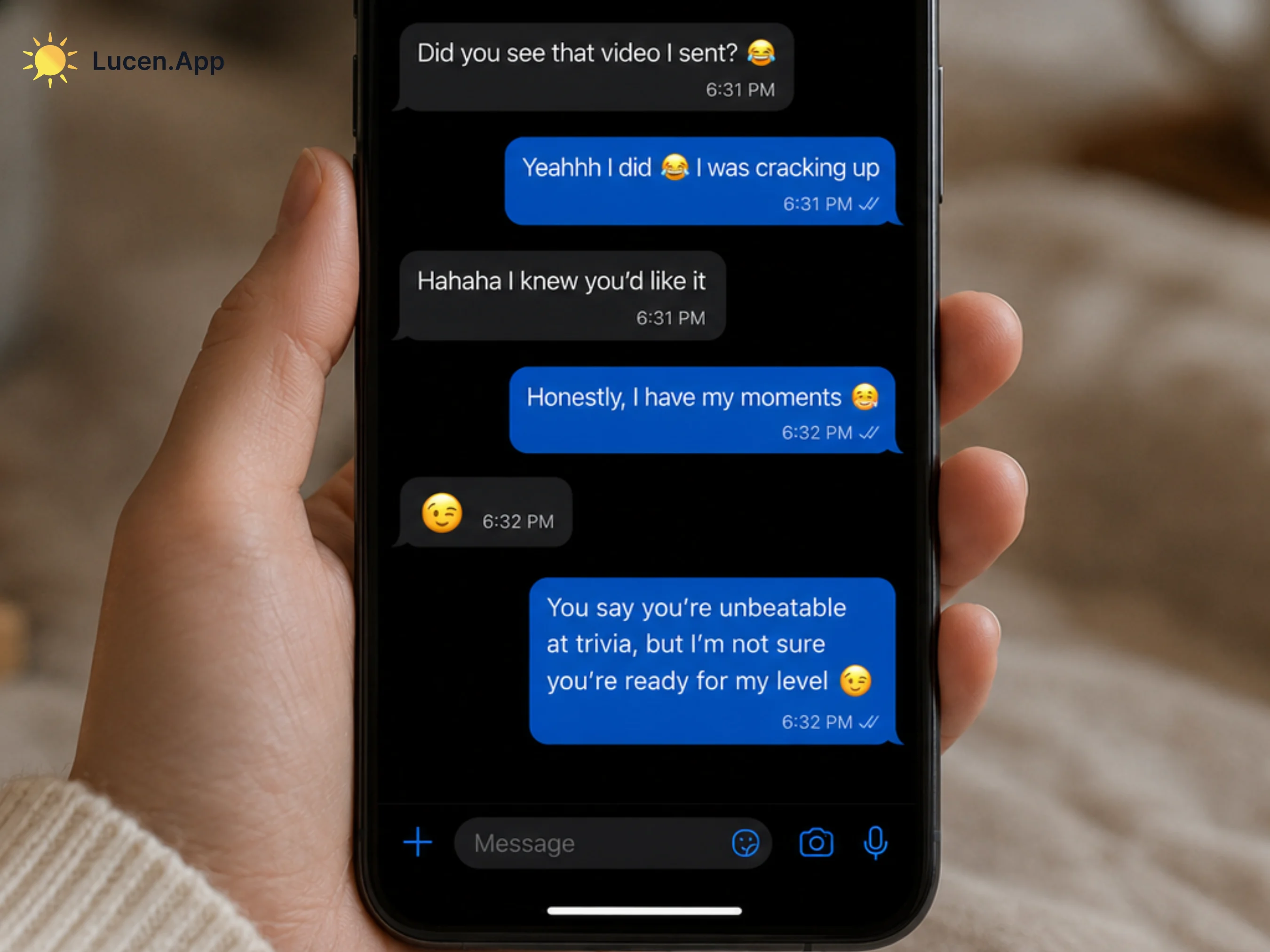
Here are several flirty banter examples, each hinting at attraction through humor:
- Playful Challenge: “Are you always this competitive, or do I just bring it out in you?” Uses a gentle tease to spark a fun rivalry and hint at interest without being too direct.
- Compliment Twist: “If you keep making me laugh like this, I might have to ask for your secret.” Combines a compliment with playful curiosity, showing appreciation and inviting more conversation.
- Cheeky Question: “So, is charming people your full-time job, or just a hobby?” Uses humor to acknowledge attraction and encourages a witty reply.
- Light Tease Exchange: “Person A: You’re trouble, aren’t you?” “Person B: Only if you’re lucky.” Playful teasing and quick comebacks to create chemistry while keeping the mood fun and comfortable.
Funny Banter Examples
Making conversations more enjoyable is the purpose of funny banter, which uses humor, wordplay, playful exaggeration, and harmless sarcasm to keep interactions lighthearted. Instead of focusing on clever comebacks alone, it creates a relaxed atmosphere through wordplay, exaggeration, or harmless sarcasm. It helps make conversations more enjoyable and memorable, supporting a deeper connection and a positive, playful atmosphere.
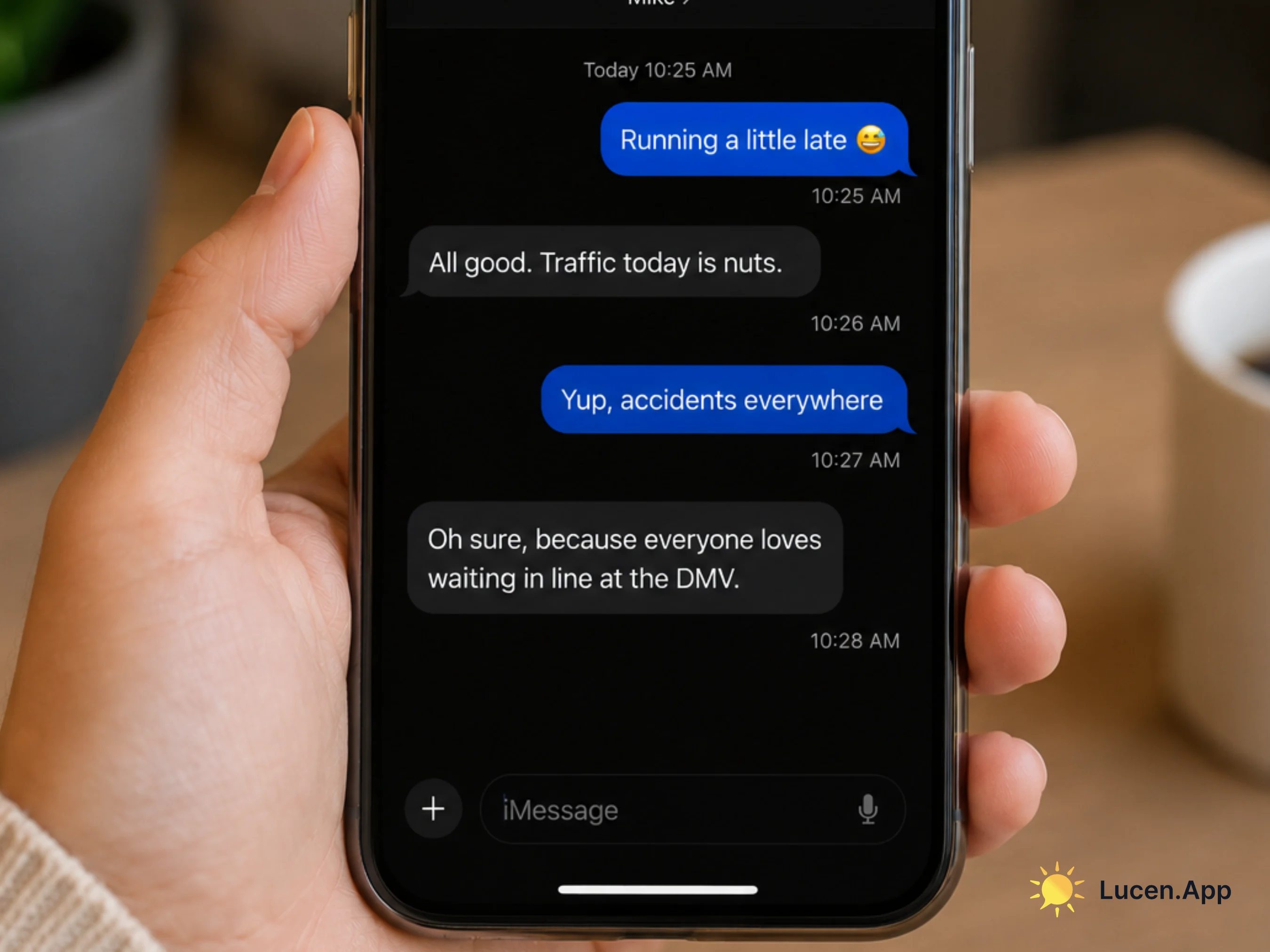
Here are common types of funny banter found in text chats, each with a short example and explanation:
- Puns: “I’m reading a book on anti-gravity. It’s impossible to put down.” Shows a sense of humor and keeps the conversation light.
- Playful Exaggeration: “You’re so late, I thought you got lost in another dimension.” Exaggeration signals a playful attitude and invites a laugh.
- Sarcastic Remarks: “Oh sure, because everyone loves waiting in line at the DMV.” Sarcasm, when used gently, adds wit and keeps the mood social.
- Teasing Compliments: “You’re pretty good at this game-for a beginner.” Flirts and teases without crossing into negativity.
- Quick Comebacks: “Are you always this competitive?” “Only when I’m winning.” Quick comebacks show intelligence and keep the conversation engaging.
How Do You Banter Over Text?
You banter over text by using playful teasing, thoughtful callbacks, self-deprecating humor, specific observations, playful challenges, inside jokes, and a good sense of when the other person is comfortable enough to enjoy the exchange. Unlike face-to-face banter, texting relies entirely on word choice, timing, and context because facial expressions, tone of voice, and body language are absent. When used well, these techniques create conversations that feel natural, engaging, and enjoyable while encouraging both people to contribute to the back-and-forth.
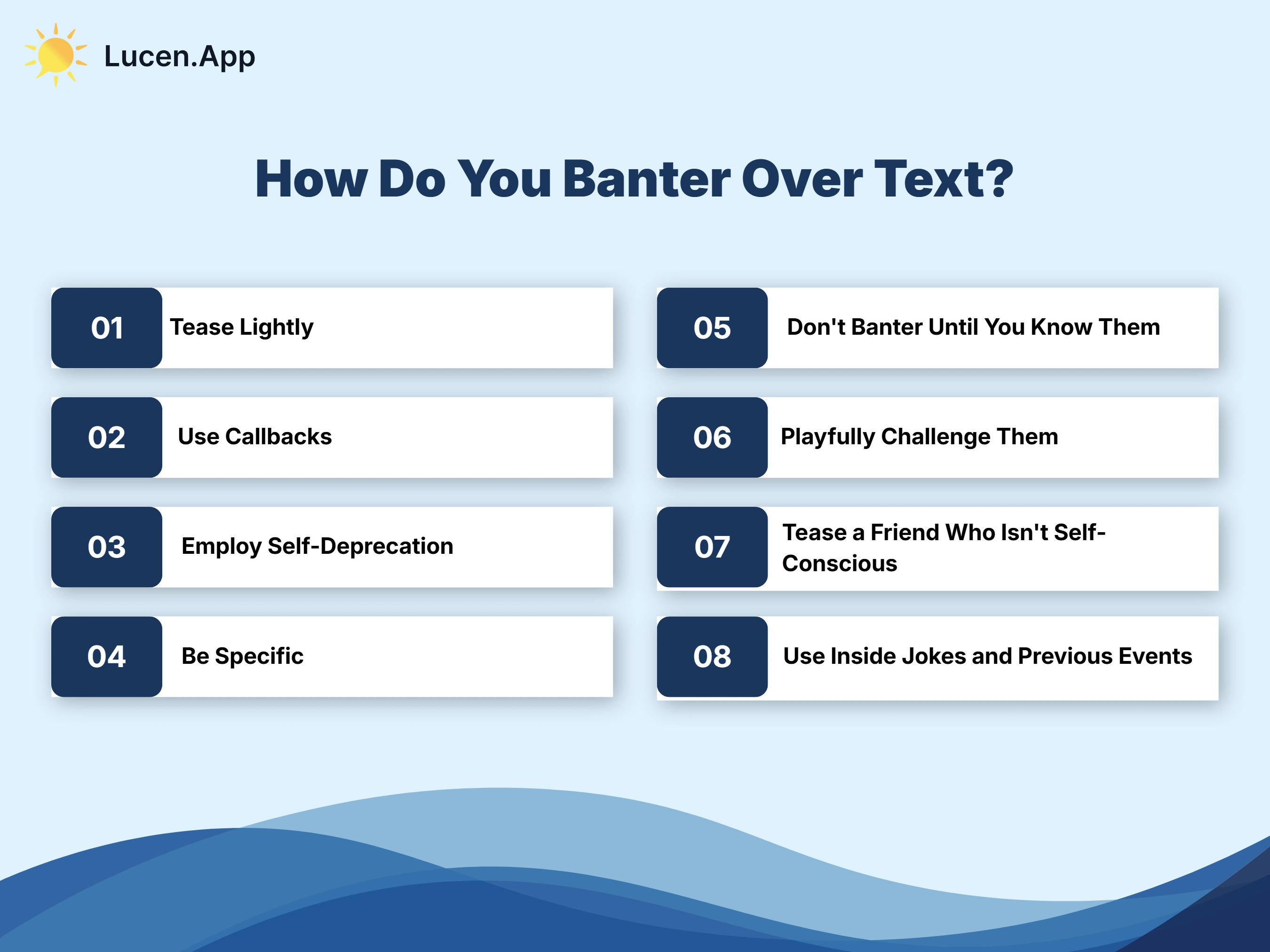
Here are 8 techniques you can use to banter over text:
Tease Lightly
Light teasing is the foundation of good banter because it creates humor without making the other person feel uncomfortable. The best playful teasing focuses on harmless habits, opinions, or everyday situations instead of personal insecurities. When both people understand the joke, light teasing builds rapport, encourages a shared sense of humor, and makes the conversation feel more natural. For example, if someone says they never lose at board games, you could reply, "That's a bold claim. I'll believe it when I see the trophy cabinet." The tease challenges the statement rather than the person, inviting them to respond with their own playful comeback and keeping the conversation enjoyable.
Use Callbacks
Callbacks are playful references to something the other person mentioned earlier in the conversation. They show that you remember previous details, making the exchange feel more personal while creating opportunities for inside jokes and recurring banter. Callbacks work well with friends, acquaintances, and early dating because they reward shared experiences. For example, if someone admitted they always arrive late, you could text, "Should I tell you dinner starts 20 minutes earlier this time?" The callback revisits an earlier joke, encourages another witty reply, and strengthens the sense of connection between the two people.
Employ Self-Deprecation
Self-deprecating banter uses playful humor about yourself instead of teasing the other person. It signals confidence because you can laugh at your own mistakes while keeping the conversation relaxed. Used in moderation, this approach makes playful exchanges feel less confrontational and more inviting. For example, if someone compliments your cooking, you could reply, "Thanks. My smoke alarm deserves half the credit." The joke shifts attention toward yourself, creates humor, and gives the other person an easy opportunity to continue the conversation.
Be Specific
Specific banter feels more genuine because it reacts to something the other person actually said or did instead of relying on generic jokes. Referencing a unique detail shows that you are paying attention, making the conversation more engaging and memorable. For example, if someone proudly shares a photo of their homemade pizza, you might reply, "That crust looks professional. Now I'm expecting restaurant-quality slices next time." The comment acknowledges a real detail, keeps the teasing positive, and encourages the conversation to continue naturally.
Don't Banter Until You Know Them
Without mutual understanding, playful teasing can be misunderstood as criticism or sarcasm because the other person does not yet know your personality or sense of humor. Banter works best once some rapport has been established, so building comfort before introducing it helps avoid unnecessary misunderstandings. For example, instead of opening with "I expected you to be more interesting," begin with a friendly conversation until both people are comfortable. Once a relaxed dynamic develops, a playful comment like, "You're actually funnier than I expected, and my expectations were already pretty high," is much more likely to be received positively.
Playfully Challenge Them
Playful challenges create engaging back-and-forth conversations by introducing friendly competition instead of confrontation. A good challenge invites the other person to respond with confidence and humor, allowing both people to participate equally in the exchange. For example, if someone claims they're unbeatable at trivia, you could reply, "That's a big statement. I think we're going to need a rematch." The challenge stays lighthearted, encourages another response, and keeps the conversation moving without becoming argumentative.
Tease a Friend Who Isn't Self-Conscious
Banter is most enjoyable when everyone involved feels comfortable being part of the joke. Teasing a friend about a harmless habit or funny moment can strengthen friendships, provided the topic is not something they are sensitive about. Reading the other person's comfort level is just as important as making the joke itself. For example, if a friend always gets lost despite using GPS, you might say, "I didn't know your navigation app came with a sightseeing mode." The joke focuses on a harmless situation, encourages laughter, and avoids making the other person feel embarrassed.
Use Inside Jokes and Previous Events
Inside jokes turn shared experiences into recurring banter that feels unique to the relationship. Referring to previous conversations, funny moments, or memorable events reinforces mutual understanding and makes future interactions feel more personal. For example, if you both got caught in unexpected rain on your last outing, you could text, "I've checked the forecast this time, so hopefully we won't need swimming lessons." Revisiting a shared experience creates instant familiarity, encourages another playful response, and helps build a stronger rapport over time.
Why Does Banter Sometimes Fall Flat?
Banter can fall flat because of misread tone, going too far with teasing, dry replies, mixed signals, different texting styles, or one-sided conversations where only one person participates. Although banter is meant to build rapport through playful teasing, playful challenges, and a shared sense of humor, these situations can cause jokes to be misunderstood or make conversations feel awkward instead of engaging.
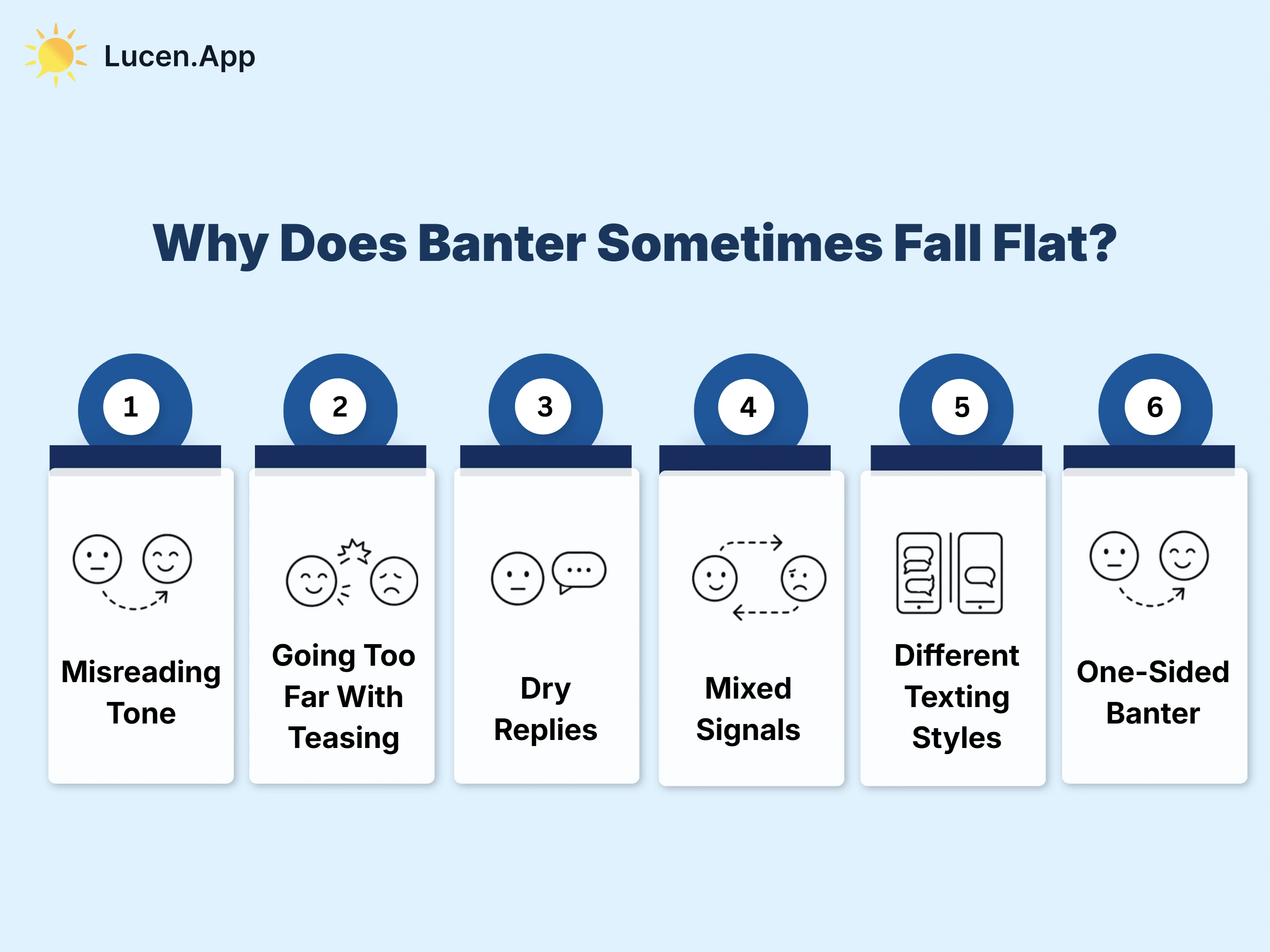
Below are 6 common reasons why banter fails sometimes:
- Misreading Tone: Misreading tone is one of the most common reasons banter fails because text messages lack tone of voice, facial expressions, and body language. For example, "Nice of you to finally show up" may sound playful in person but critical over text. Using positive wording or emojis where appropriate can make your intent clearer and reduce misunderstandings.
- Going Too Far With Teasing: Playful teasing should make both people laugh, not make one person feel uncomfortable. For example, teasing a friend about always being late may be funny once, but repeatedly bringing it up after they stop laughing can become frustrating. Pay attention to the other person's reactions and change the topic if the conversation no longer feels playful.
- Dry Replies: Dry replies interrupt the natural rhythm of banter because they give the other person very little to build on. One-word responses like "Okay," "Lol," or "Maybe" often end the conversation. Rather than replying with a single word, acknowledge the joke and add your own comment or question to keep the conversation moving.
- Mixed Signals: Mixed signals make banter confusing because your words and responses send different messages. For example, joking enthusiastically before suddenly replying with "K" or disappearing for long periods can create uncertainty. Keeping your tone and level of engagement consistent helps playful banter feel more genuine.
- Different Texting Styles: People communicate differently over text, and those differences can affect how banter is received. These differences do not mean banter cannot work, but they often require both people to adapt to each other's communication style. Paying attention to pacing, tone, and response patterns helps conversations feel more natural.
- One-Sided Banter: Good banter depends on mutual participation. For example, if every tease is met with "Haha" instead of another playful response, it may be a sign to change your approach or discuss a different topic. The best banter happens when both people contribute, build on each other's humor, and enjoy the exchange together.
Is Banter Flirting?
No, banter is not always flirting because it is a conversational style built around playful teasing, witty exchanges, and a shared sense of humor, and it can happen between friends, coworkers, family members, teammates, or romantic partners. Its primary purpose is to build rapport and keep conversations engaging, not necessarily to express romantic interest.
Banter can become flirting when playful teasing is paired with clear signs of attraction, such as personal compliments, playful challenges, increased attention, or conversations that consistently focus on building romantic chemistry. For example, saying, "You're late again. Should I start telling you the wrong time?" is usually friendly banter, while saying, "You're making it surprisingly difficult not to like you," suggests romantic interest.
How Is Friendly Banter Different From Flirty Banter?
Friendly banter uses light-hearted jokes to maintain a platonic, non-romantic mood whereas flirty banter uses playful teasing or mild romantic innuendo to signal attraction and build a sense of intimate tension. Understanding these differences helps people determine whether an exchange is meant to be platonic or to signal romantic interest.
Below are the differences between friendly banter and flirty banter:
- Intent: Friendly banter aims to build rapport and create a sense of humor between friends or colleagues. The goal is social connection, not attraction. Flirty banter, on the other hand, signals romantic or sexual interest and often tries to create a deeper connection beyond friendship.
- Tone: Friendly banter uses playful teasing and witty comments that feel light and inclusive. For example, a friend might say, “You’re always five minutes late-should I start telling you the wrong time?” Flirty banter often includes more direct compliments, double meanings, or subtle hints, such as “If you keep looking at me like that, I might get distracted all night.”
- Cues: In person, friendly banter relies on open body language, shared laughter, and relaxed eye contact. Flirty banter may involve longer eye contact, a softer voice, or physical cues like leaning in or light touches. In text banter, flirty messages might use more emojis, suggestive jokes, or playful challenges that hint at attraction.
- Examples: A friendly exchange: “Nice try at trivia tonight-remind me never to pick you for my team!” A flirty exchange: “If you want a rematch, you’ll have to take me out for coffee.” Both use humor, but the second example shifts toward romantic interest.
Why Is It Easy to Misread Banter Over Text?
Banter is easy to misread over text because written messages lack tone of voice, facial expressions, body language, laughter, mood, punctuation, and shared context can all change how a playful comment is interpreted. Instead of sounding lighthearted, a joke may come across as sarcastic, critical, or dismissive, making successful banter depend on careful interpretation rather than words alone.
6 reasons why it's easy to misread banter over text:
- Tone of voice is missing: Without hearing how something is said, playful teasing can sound blunt or serious instead of humorous.
- Facial expressions and body language are absent: Smiles, eye contact, and other nonverbal cues often show that a comment is meant as a joke. Without them, the intended meaning is easier to misinterpret.
- You can't hear laughter: Laughing after a teasing remark immediately signals humor in person, but text messages provide no equivalent unless the sender intentionally adds cues.
- The recipient's mood affects interpretation: A joke may feel funny when someone is relaxed but seem insensitive if they are stressed, upset, or distracted.
- Punctuation changes tone: A message such as, "Nice of you to finally reply." can sound more serious with a period than the same message followed by a laughing emoji or playful punctuation.
- Context shapes meaning: Previous conversations, shared experiences, and the relationship between both people help determine whether a message feels like playful banter or genuine criticism.
How to Ensure Your Banter Is Well Received?
You can tell whether your banter is being received well by looking for reciprocity, response timing, playful escalation, emojis and tone, continued engagement, and insights from an AI chat analyzer. These cues help you understand whether the other person enjoys the playful exchange, feels comfortable participating, and wants to keep the conversation going.
Below are 6 ways to ensure your banter is well received:
Look for Reciprocity
Reciprocity is one of the clearest signs that your banter is being well received, as both people actively participate in the playful exchange. Instead of simply reacting to your jokes, the other person contributes their own teasing, witty remarks, or clever comebacks, creating a balanced conversation. For example, if you say, "You're always trying to win every argument," and they reply, "Only because you make it too easy," the exchange shows mutual participation. When both people contribute to the humor, banter feels natural and helps build rapport.
Notice Response Timing
Response timing often reveals how interested someone is in continuing playful conversation. While everyone replies at different speeds, quick, enthusiastic responses usually suggest that the other person enjoys the banter and wants to keep the exchange going. For example, if you send a playful tease and receive an immediate witty comeback, the conversation is likely flowing naturally. Consistently delayed, one-word, or unenthusiastic replies may indicate that the banter is not landing as intended or that the other person is no longer engaged.
Watch for Playful Escalation
Playful escalation occurs when both people gradually build on each other's jokes rather than repeating the same type of teasing. As comfort grows, the conversation becomes more creative, and each response adds another layer of humor without becoming personal or disrespectful. For example, one person might say, "I bet I could beat you at trivia," and the other replies, "Only if the questions are about things you made up." This playful escalation shows that both people are comfortable contributing to the joke and enjoying the back-and-forth.
Pay Attention to Emoji and Tone
Emojis and tone help replace many of the nonverbal cues that are missing from text conversations. A playful emoji, relaxed wording, or enthusiastic punctuation can reinforce that a teasing comment is meant as humor rather than criticism. For example, "Nice of you to finally reply" feels much lighter than the same message without any playful cues. Looking at the overall tone instead of a single message helps you judge whether the conversation remains friendly and enjoyable.
Look for Continued Engagement
Continued engagement shows that the other person wants the conversation to continue rather than end after one joke. Asking questions, introducing new topics, or building on previous jokes are all signs that your banter is creating genuine interest. For example, after responding to your tease, the other person may introduce another playful topic or refer back to an earlier joke. That continued participation suggests they are enjoying the exchange and want to keep talking.
Analyze Banter in an AI Chat Analyzer
An AI chat analyzer can provide objective feedback by evaluating conversation patterns such as tone, engagement, reciprocity, and response style. Rather than replacing your own judgment, AI chat analyzer helps identify patterns that may be difficult to notice during an ongoing conversation. For example, an AI chat analyzer may highlight that your playful teasing is consistently met with quick replies and reciprocal jokes, suggesting positive engagement. It may also identify one-sided conversations or changes in tone, helping you adjust your approach and improve future interactions.