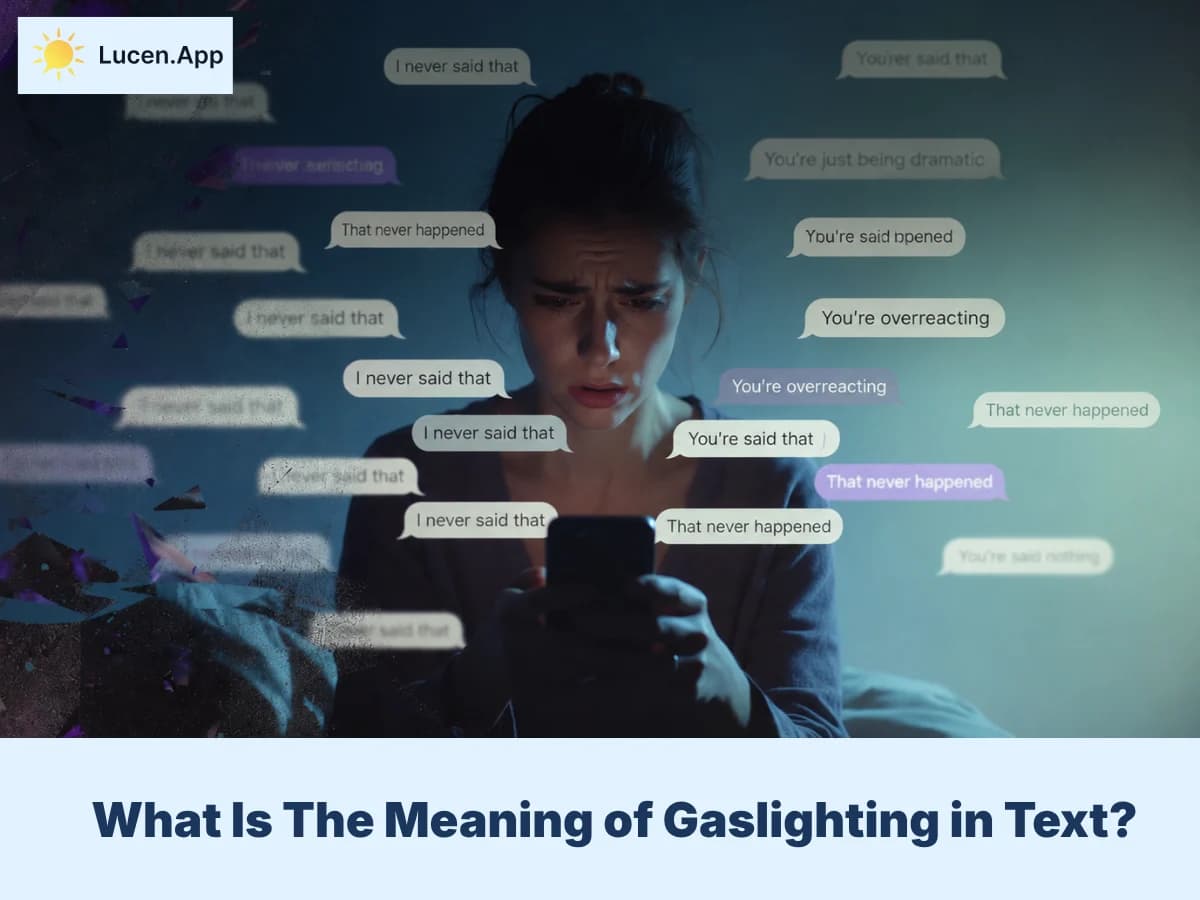
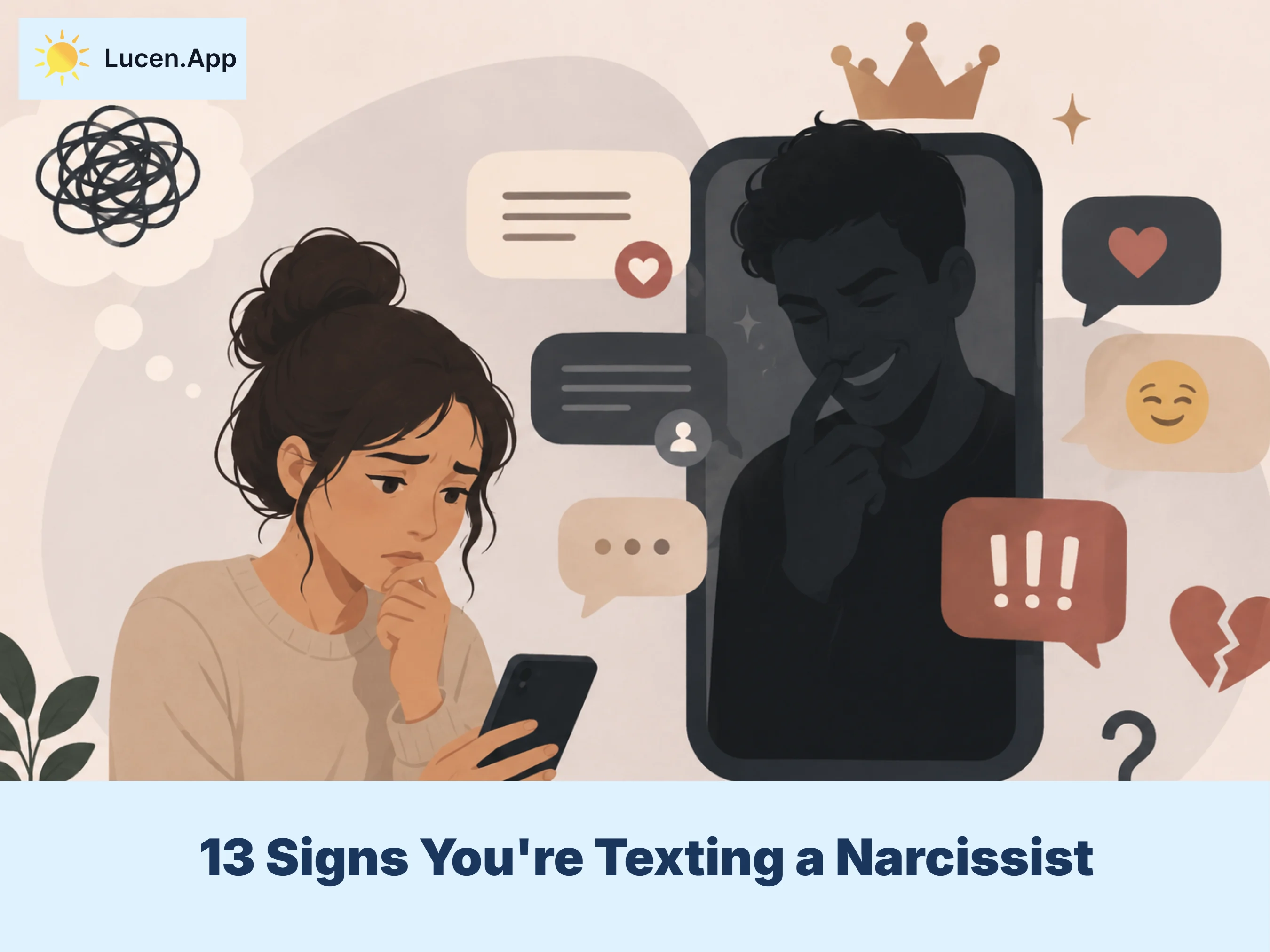
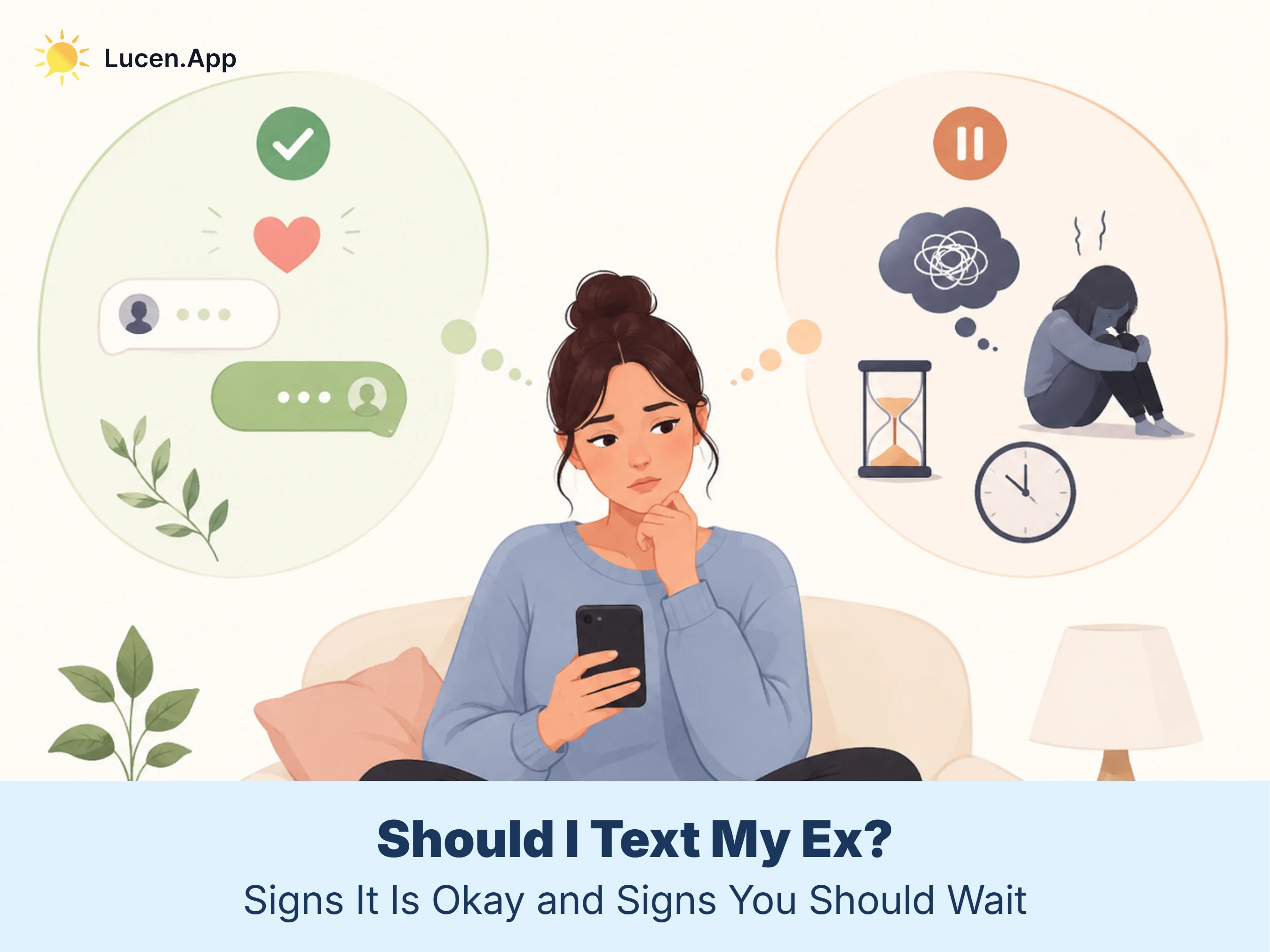
The earliest signs of ghosting include slower responses, shorter messages, stopping the initiation of contact, dropping attention and engagement, being quiet with you, failing to reschedule plans, and showing emotional withdrawal. Conversations that once flowed naturally become punctuated by long silences and minimal effort, reflecting a deliberate pullback. Gradually, you may find yourself driving the interaction entirely while spontaneous messages and check-ins disappear.
A decline in curiosity and engagement, along with visible social media activity, signals selective attention. Canceled plans, flat emotional responses, shifts from playful to formal tone, and transactional replies highlight growing disengagement. Behavioral tendencies such as avoiding confrontation, silently losing interest, uncertainty about dating, talking to someone else, seeking attention without commitment, and low emotional maturity further increase the likelihood of ghosting. Recognizing these signs early allows you to protect your well-being, assess engagement, and respond appropriately. An AI chat analyzer can surface these shifts in tone and response time automatically.
Here are the 9 ghosting signs that signal you are about to be ghosted:
- Responses Getting Slower and Shorter
- They Stop Initiating Contact
- Attention and Engagement Dropping Off
- Quiet With You but Active on Social Media
- Plans Falling Through Without Being Rescheduled
- Emotionally Checked Out
- Tone Changing During Conversations
- Replies Coming Only When It Is Convenient
- Soft Ghosting Before Fully Disappearing
Responses Getting Slower and Shorter
One of the earliest signs someone is preparing to ghost is a noticeable slowdown in response times paired with shorter messages. Where conversations once flowed with detailed, prompt replies, exchanges shift into long periods of silence, ending with minimal, low-effort responses that do nothing to continue the dialogue.
Healthy communication naturally fluctuates with schedules, but a consistent pattern of multi-hour or multi-day delays combined with abrupt, brief replies signals a deliberate withdrawal of effort. You can recognize this behavior when an enthusiastic message like, "Oh wow, I loved that movie! We should totally go see the sequel next week if you are free? I heard the director did amazing things with it," is met many hours later with a flat reply such as, "Yeah, true lol." This pattern reflects a clear pullback in engagement and attention.
They Stop Initiating Contact
Recognizing when someone stops sending messages is an important sign of ghosting because healthy relationships rely on balanced, mutual communication. When a person ceases to initiate contact entirely, you become the sole driver of the interaction, creating a lopsided dynamic in which the other party passively allows the connection to fade.
Such a behavioral shift appears as the disappearance of spontaneous texts, check-ins, or shared links, meaning conversations halt the moment you stop prompting them. For example, you may initiate a chat on day one and receive a polite but concise reply, only to experience total silence on days two through four, with no incoming messages or notifications until you send another message. Such a pattern clearly signals that the other person is withdrawing effort and disengaging from the relationship without direct confrontation.
Attention and Engagement Dropping Off
A noticeable drop in a partner's curiosity and engagement is a clear sign of ghosting, showing that they are no longer invested in maintaining a meaningful or reciprocal conversation. When someone is preparing to withdraw, they may read your messages and respond superficially, avoiding follow-up questions or genuine interest in your thoughts, experiences, or milestones.
The shift transforms the dynamic from an enthusiastic, shared dialogue to a one-way exchange, where you provide details about your day and receive only minimal acknowledgment in return. For example, sending a text like, "Just had the craziest presentation at work today, my boss actually stood up and clapped!" may be met with a brief response such as "Nice" or "Cool," offering no further questions or attempts to sustain the connection, signaling growing disengagement and emotional withdrawal.
Quiet With You but Active on Social Media
Being left on read while someone is actively engaging online is a modern digital sign of ghosting, indicating a deliberate choice to avoid private communication. This behavior removes the excuse of being "too busy" and demonstrates that they consciously choose to browse, post, or interact publicly while ignoring your messages.
The pattern creates a clear distance because your texts go unanswered for hours, while their online presence remains visible in public feeds, new stories, or comments on mutual platforms. You can easily recognize this boundary when your message shows as "Delivered yesterday at 4:15 PM" with no reply, and their profile simultaneously displays an "Updated story 20 minutes ago" featuring casual content such as a lunch photo or a meme. This contrast indicates that the person is withdrawing attention while remaining selectively present.
Plans Falling Through Without Being Rescheduled
Repeatedly canceling plans without offering an alternative is a clear behavioral sign of ghosting, reflecting a passive strategy to create distance without direct confrontation. When someone genuinely values the connection, cancellations are usually accompanied by a proactive proposal for a new time.
In contrast, a person preparing to fade out relies on last-minute cancellations, offering vague, open-ended excuses like "something came up" or "feeling tired," and making no effort to secure a makeup date. For example, they might text, "Hey, so sorry but I cannot make it tonight anymore. Completely exhausted from the week," and when you respond, "Oh no worries! Want to try for Sunday afternoon instead?" they leave the door open-ended with, "Maybe, let's see how the weekend goes," signaling intentional withdrawal.
Emotionally Checked Out
A profound lack of empathy, warmth, or investment in shared experiences serves as a core psychological sign of ghosting, revealing that the person has already mentally exited the relationship long before disappearing completely. This behavior manifests as a total absence of emotional reciprocity, validation, or vulnerability, effectively replacing the vibrant closeness that defines an early connection with a rigid, clinical detachment.
Instead of offering comfort when you are stressed or engaging with the inside jokes that used to bring you together, they treat every interaction with a flat, transactional indifference that makes you feel entirely solitary. This emotional withdrawal becomes glaringly obvious in chat logs when you reach out for support during a vulnerable moment, texting, "Having such a tough day today, my dog is sick, and I am honestly so stressed out," only to receive a cold, detached brush-off like, "Sucks. Hope it gets better."
Tone Changing During Conversations
A noticeable shift from casual, playful banter to formal, clipped prose is a subtle sign of ghosting, indicating someone is intentionally creating an emotional barrier. When personal nicknames, inside references, emojis, and expressive punctuation disappear, the natural intimacy of the conversation is being stripped away, signaling withdrawal before a potential break-off.
The dynamic shifts from warm, enthusiastic exchanges to short, neutral, and oddly professional messages, resembling a workplace email rather than a personal or romantic interaction. You can spot this by comparing recent chat history with an energetic message like, "Omg no way!! Tell me everything! Cannot wait to see you tomorrow night, text me when you are home safe," which may suddenly be replaced with a cold, succinct reply such as, "Okay. Sounds good. See you tomorrow," demonstrating a clear shift in engagement and emotional presence.
Replies Coming Only When It Is Convenient
Receiving messages strictly on the other person's timeline, rather than through a natural back-and-forth, is a transactional sign of ghosting that indicates a significant drop in priority. This pattern shows that the interaction occurs entirely on their terms, with time-sensitive questions, logistical details, or emotional bids ignored until they choose to respond to low-effort or convenient topics.
Such behavior leaves you in uncertainty while they control whether and when you fit into their routine. For example, if you send a text on Thursday asking, "Hey! Are we still on for dinner tomorrow at 7? Need to know so I can make a reservation," receive no response all Friday, and then get a casual message Saturday morning saying, "Hey sorry missed this, what are you up to today?" it clearly demonstrates a transactional, convenience-based approach to communication.
Soft Ghosting Before Fully Disappearing
Soft ghosting occurs when someone uses message reactions, such as likes, double-taps, or emoji responses, instead of writing an actual reply. This allows them to remain technically active in the chat while quietly ending meaningful conversation, making it a clear precursor to a full fade-out. Unlike complete ghosting, the person does not ignore messages entirely but strategically limits their effort, signaling withdrawal without confrontation.
The effect on the conversation is that your open-ended questions, enthusiastic comments, or shared experiences are left stranded with only an icon to respond to, subtly stalling the interaction. You can recognize this passive boundary when you send a positive or engaging message, like, "I had a great time last night, let's check out that coffee shop soon!" and the only response is a thumbs-up emoji or heart reaction, leaving the text field completely blank.
What Makes Someone More Likely to Ghost?
Behaviors that make someone more likely to ghost include avoiding confrontation, losing interest, uncertainty about dating, talking to someone else, wanting attention without commitment, and a lack of emotional maturity. These tendencies often result in a gradual withdrawal of effort and engagement, allowing the person to step back from the relationship without directly addressing their intentions.
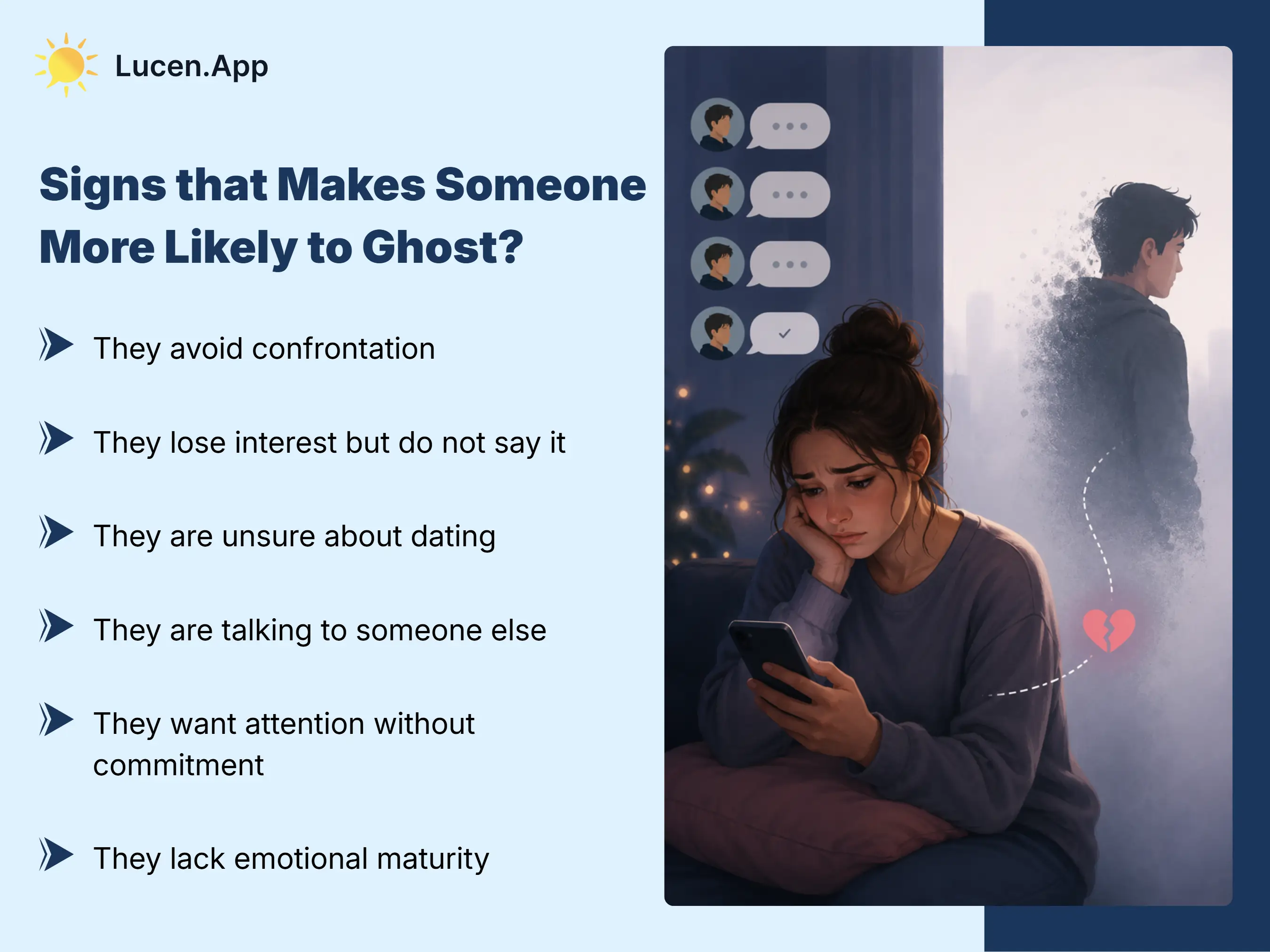
Below are the signs that make someone more likely to ghost:
- They avoid confrontation: A high aversion to conflict is a primary psychological driver of ghosting behavior, as many individuals experience intense anxiety at the thought of delivering direct, disappointing news. Rather than facing a brief moment of relational discomfort by stating that they do not see a future, they opt for sudden silence to avoid a difficult conversation or witnessing the other person's emotional reaction.
- They lose interest but do not say it: An unspoken loss of attraction or compatibility frequently manifests as a major sign of ghosting when a person lacks the communication skills required to articulate their change of heart. Instead of providing honest closure, they simply stop investing effort, letting their lack of enthusiasm do the talking while hoping the relationship will dissolve on its own.
- They are unsure about dating: General uncertainty about dating or personal readiness serves as a strong internal catalyst for ghosting. When someone is confused about what they want, emotionally unavailable, or overwhelmed by the pace of a new connection, they often freeze up and pull away entirely rather than communicating their mixed signals and hesitation.
- They are talking to someone else: Engaging with other romantic prospects is a behavioral sign of ghosting that splits a person's attention and causes a sharp, sudden drop in private messaging engagement. In modern dating cultures, shifting priorities or a new connection often precede a total fade-out, as seen in chat logs, where responses suddenly become vague, delayed, or punctuated by references to other social plans.
- They want attention without commitment: Seeking superficial validation without intent to build a genuine relationship is a behavioral pattern that often leads to abrupt ghosting. This dynamic appears in chat history as frequent flirting or ego-boosting when convenient, which abruptly shifts to total radio silence the moment the conversation naturally progresses toward deeper commitment or concrete, in-person plans.
- They lack emotional maturity: A fundamental deficit in emotional maturity is a core psychological driver of ghosting, as proper closure requires a baseline level of interpersonal responsibility. Those who show low emotional maturity prefer emotional avoidance over accountability, choosing to shut down communication entirely and deflect responsibility rather than navigating a complex or uncomfortable relationship dynamic.
How to Tell If You're Being Ghosted or They're Just Busy?
To tell if you are being ghosted or if they are just busy, look for signs like delayed responses, consistent follow-ups, and whether they maintain effort in the conversation. Paying attention to these patterns helps you distinguish temporary busyness from intentional withdrawal.
Signs They Are Busy but Still Interested
Signs they are busy but still interested include them explaining the delay, following up later, suggesting another time, keeping the tone warm, and still showing effort. Observing these behaviors shows that, despite temporary delays, the person is actively maintaining the connection and prioritizing the relationship, distinguishing genuine busyness from ghosting.
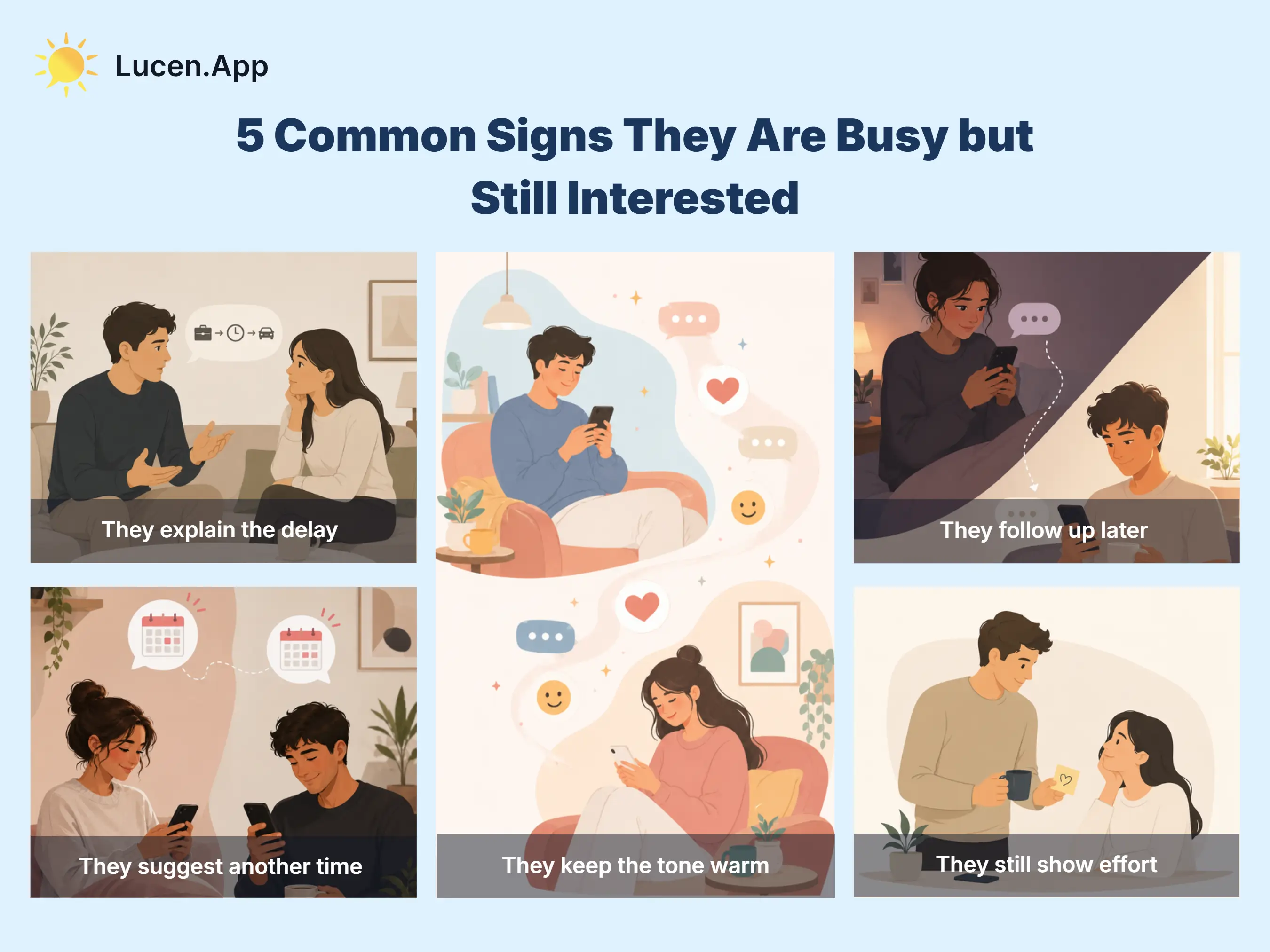
5 common signs they are busy but still interested:
- They explain the delay: A text delay accompanied by a proactive explanation strongly signals ongoing interest rather than ghosting. When someone respects your time, they will frame their silence in context by mentioning specific real-world commitments, such as an intense work project, family obligations, or a personal emergency, showing that the delay is situational, not personal.
- They follow up later: A reliable indicator of interest is a consistent history of follow-up behaviors once the busy period subsides. Even if a message goes unanswered for an entire day, someone who cares will revive the thread on their own initiative, ensuring that your last text is addressed and the dialogue continues.
- They suggest another time: When real-world logistics force a cancellation or a delay in meeting up, an interested partner will immediately suggest an alternative time to connect. This proactive rescheduling sets them apart from a ghoster, as it demonstrates a tangible desire to see you and keeps a concrete date on the horizon.
- They keep the tone warm: Maintaining a warm, affectionate, or playful tone in brief exchanges is a clear sign that their emotional investment remains unchanged despite their limited time. Their texts will still feature enthusiastic language, familiar emojis, or supportive check-ins, ensuring the relationship's emotional baseline remains intact.
- They still show effort: Even when severely time-constrained, an interested person will still make an effort by maximizing the small windows they do have. This manifests as sending a quick "thinking of you" text during a lunch break or making a brief phone call during a commute, proving that they are actively carving out space for you in their routine.
Signs They Are Slowly Ghosting You
Common signs they are slowly ghosting you include replies getting slower, messages getting shorter, them stopping questions, and them avoiding plans. These patterns collectively indicate a gradual disengagement, in which the person quietly withdraws effort and attention without directly ending the conversation.
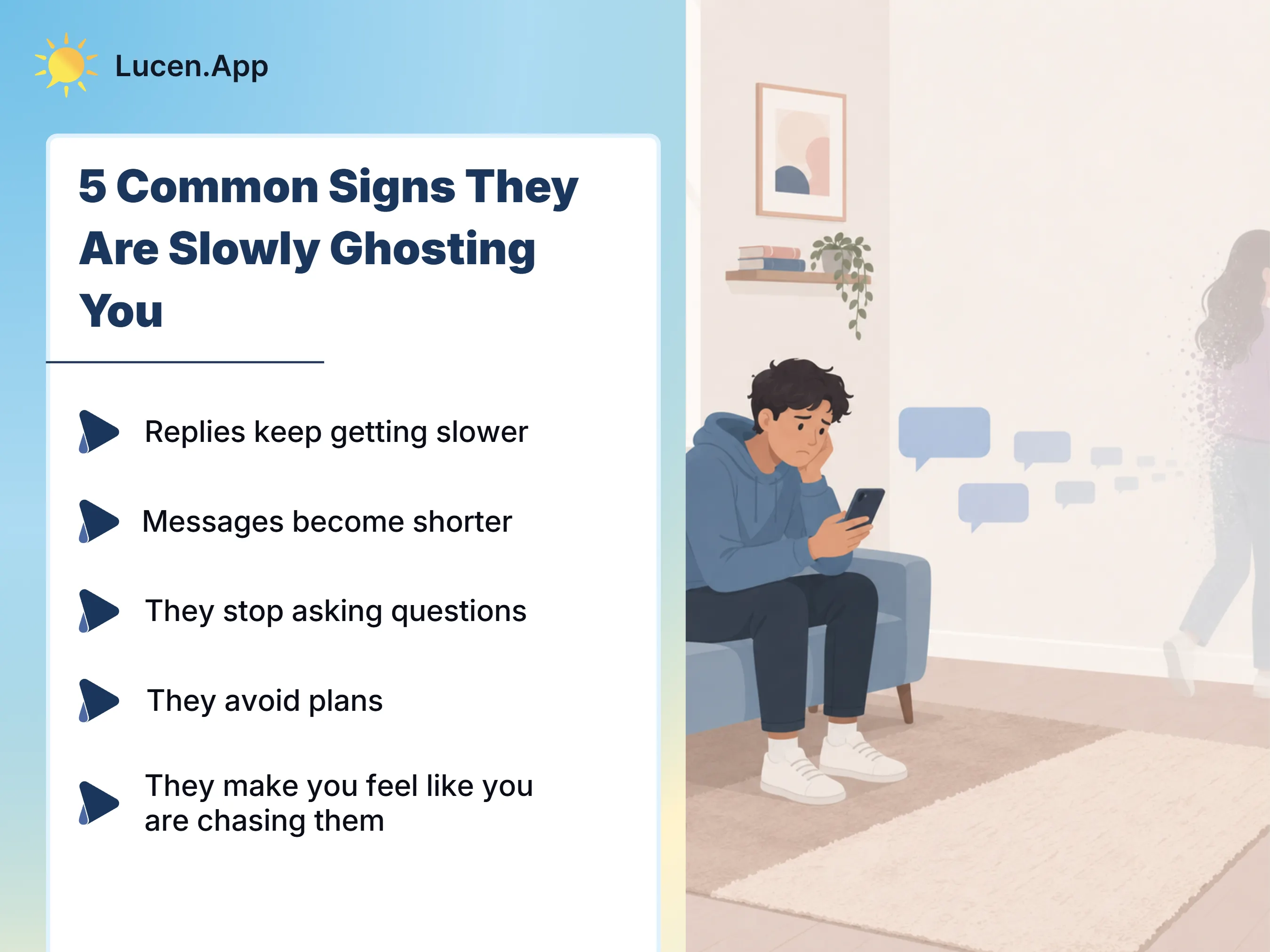
5 common signs they are slowly ghosting you are:
- Replies keep getting slower: A primary sign of slow ghosting is a steady, linear deceleration in response times that stretches from hours into days without any logical explanation. This pattern shows that the person is actively rationing their digital attention, forcing you to wait longer for each subsequent reply as they widen the conversational gap.
- Messages become shorter: As the slow fade progresses, the physical length of their text responses will drastically shrink into low-effort phrases. Such a drop in word count indicates a total withdrawal of conversational energy, transforming what used to be detailed, multi-sentence messages into clipped, uninspiring answers.
- They stop asking questions: A sudden cessation of baseline curiosity is a major red flag, appearing in chat history as a completely one-sided conversation. When someone is slowly ghosting you, they stop asking follow-up questions or showing interest in your life, leaving your statements met with flat acknowledgments that entirely kill the conversational momentum.
- They avoid plans: Avoiding plans by repeatedly canceling, postponing dates, or offering vague resistance to future meetups is a definitive behavioral sign of slow ghosting. They will routinely decline invitations with open-ended excuses like "let's see how the week goes," ensuring they never have to commit to a face-to-face interaction.
- They make you feel like you are chasing them: The definitive emotional indicator of slow ghosting is a profound communication imbalance that makes you feel like you are chasing them for basic engagement. When you are forced to initiate every interaction, ask all the questions, and exert all the emotional effort just to receive delayed, minimal replies, the dynamic has become entirely one-sided.
How to Respond If You Notice Ghosting Signs?
When you notice ghosting signs, respond by sending one calm check-in, asking clearly, giving them space, stopping the chase for repeated silence, setting a clear boundary, and deciding when to move on. Following these steps helps you maintain emotional clarity and protect your well-being as you address disengagement thoughtfully.
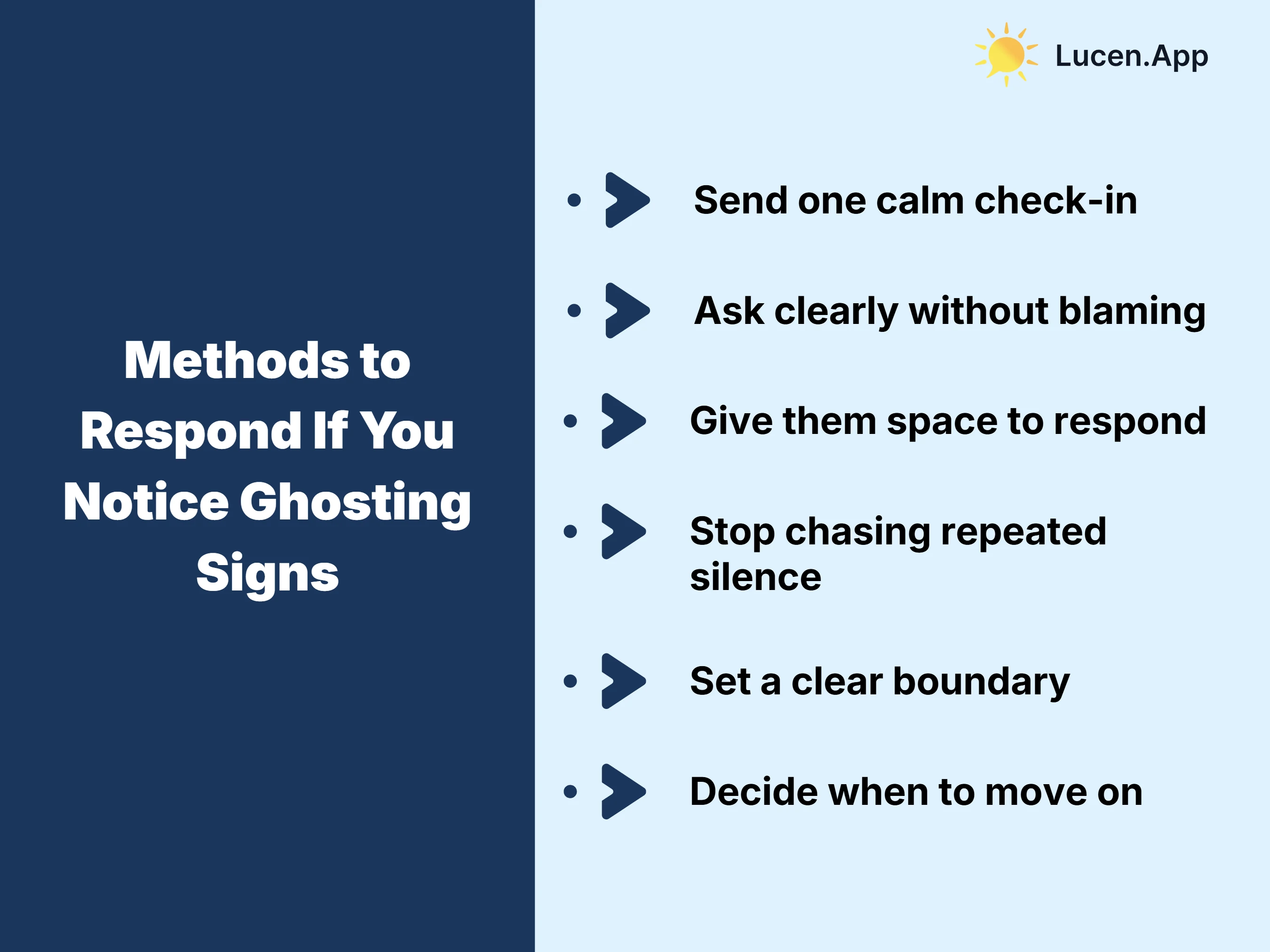
Follow the methods below to respond if you notice ghosting signs:
- Send one calm check-in: Reach out with a single, brief, and completely neutral message to test the communication waters without overwhelming the other person. This initial check-in should be free of passive-aggressive undertones, serving simply as a low-pressure digital bid to see if they are experiencing a temporary life bottleneck or actively pulling away.
- Ask clearly without blaming: State your observation directly and ask for clarity without using accusatory language or emotional blame. Framing your question objectively, such as noting the recent shift in text cadence, encourages an honest response and reduces defensive posturing, making it easier for them to communicate their true intentions.
- Give them space to respond: Step back entirely after sending your message, and allow a reasonable window for them to reply on their own terms. Giving space means completely ceasing all follow-up texts, phone calls, or social media interactions, which effectively places the conversational ball in their court and respects personal boundaries.
- Stop chasing repeated silence: Acknowledge continued non-responsiveness as a definitive answer and immediately stop initiating further contact. Ceasing the chase after repeated silence prevents you from damaging your self-esteem and breaks the exhausting cycle of one-sided effort, forcing you to accept their lack of communication as a clear choice.
- Set a clear boundary: Define your personal limits regarding acceptable communication behavior to protect your emotional well-being moving forward. Whether you choose to send a final, assertive boundary statement or simply decide internally that you will no longer tolerate hot-and-cold dynamics, establishing this limit restores your sense of agency.
- Decide when to move on: Make a conscious, definitive choice to withdraw your emotional investment from the connection and redirect your focus toward your own life. Assessing the situation objectively allows you to recognize when continued hope is unproductive, paving the way for closure, self-care, and healthier future relationship dynamics.
Is Ghosting Ever Justified?
Yes, ghosting can be justified in limited scenarios where an individual's personal safety, mental health, or emotional well-being is actively threatened. While open and honest communication is the preferred standard for ending relationships, this social obligation is completely nullified in the presence of harassment, toxic behavior, or non-consensual boundary violations. In situations involving an abusive partner, an excessively volatile individual who refuses to accept rejection, or a persistent stalker, abruptly cutting off all communication without an explanation is not an act of emotional immaturity; rather, it is a necessary, self-protective boundary designed to ensure immediate physical and psychological safety.
Will They Come Back After Ghosting?
Yes, people who ghost do sometimes return, but their reappearance is never a guarantee of renewed commitment or improved behavior. When a ghoster pops back into your life days, weeks, or even months later, the digital pattern often referred to as zombieing is driven by situational factors such as loneliness, a sudden drop in other dating options, or a desire for superficial validation. While a return can stir up hope for genuine closure or a fresh start, it fundamentally disrupts relational trust, requiring you to approach their sudden outreach with extreme caution and carefully assess whether they have developed the emotional maturity to explain their past silence.