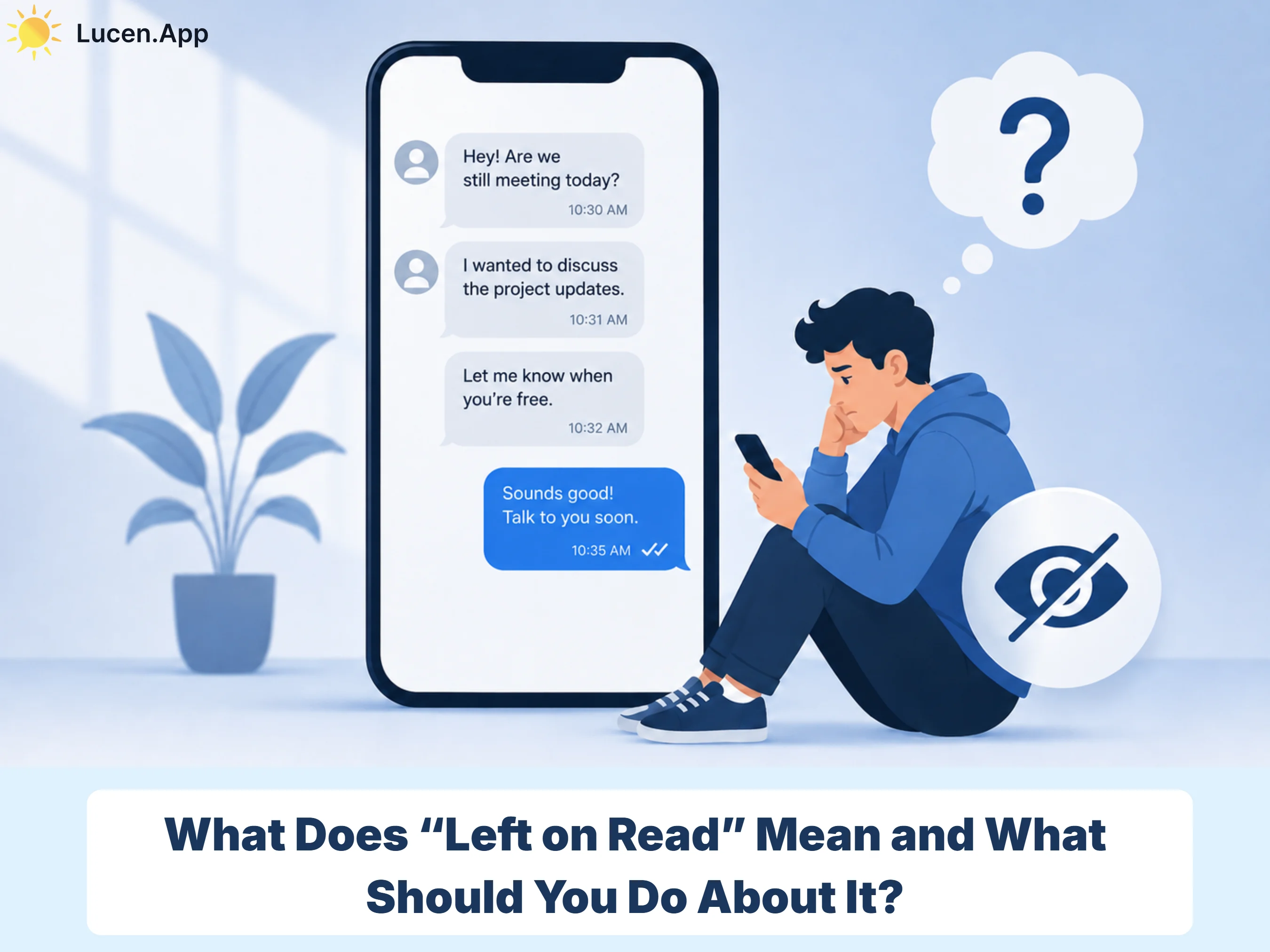
A message is considered "left on read" when the recipient reads it without responding. Although a read receipt confirms the message was viewed, it does not explain the reason for the silence. Delayed replies can result from busy schedules, uncertainty, forgetfulness, or a need for space, making the overall communication pattern more important than a single unanswered message.
If someone leaves you on read, avoid jumping to conclusions or sending multiple follow-up messages. Give the person reasonable time to respond, consider whether your message required a reply, and evaluate their usual communication habits before interpreting the silence. If unanswered messages become a consistent pattern, it may be healthier to move on rather than continue waiting. Overall, the context, communication history, and recurring behavior provide a more reliable explanation than a single read receipt.
What Does “Left on Read” Mean?
"Left on read" means a person has opened and viewed your text message or direct message, but chose not to reply. In internet messaging, the term refers to a message that displays a read receipt or similar indicator confirming that the recipient has read it, yet no response follows. This status is common across messaging apps that support read receipts, including WhatsApp, Instagram, Facebook Messenger, and other platforms. It only confirms that the message has been read and does not indicate what the recipient thinks, intends, or plans to do next.
The phrase is often confused with other message statuses such as delivered, seen, and opened, but each represents a different stage of message delivery. Delivered means the message reached the recipient's device, while seen, opened, or read confirms the recipient accessed the message. Being left on read specifically describes the situation where the message has been read by the recipient but remains unanswered, making it a distinct internet slang term for this messaging status.
Does Being Left on Read Always Mean You Are Being Ignored?
No, being left on read does not always mean you are being ignored, as people often open messages when busy, distracted, or unsure how to respond and intend to reply later. A read receipt only confirms that the recipient has opened your message and does not reveal their reason for not responding. Avoid treating a confirmed message status as proof of deliberate ignoring, since the silence may result from timing, circumstances, or a delayed response rather than intentional avoidance.
Does Being Left on Read Always Require a Response?
No, being left on read does not always mean a response is expected, because not every message creates a social or conversational obligation to reply. Messages containing direct questions, requests, emotional disclosures, or time-sensitive information usually deserve a reply. For example, "Are we still meeting at 6?" or "Can you send me the document today?" clearly expect an answer. In contrast, messages that simply share information, express thanks, react with a short comment, or naturally conclude a conversation, such as "Thanks!", "Sounds good.", or "Hope you have a great day," may not require any further response. Whether a reply is expected depends on the message's purpose, context, and normal communication expectations.
How Do Read, Seen, Opened, and Delivered Statuses Work?
Message statuses like Delivered, Opened, Seen, and Read work by tracking each stage of a message's journey from sender to recipient through network signals and platform-level tracking. Delivered means the message reached the recipient's device or account, while Opened, Seen, or Read means the recipient has viewed or interacted with the message. The exact labels, icons, and timestamps vary across platforms such as WhatsApp, Instagram, Snapchat, and Facebook Messenger, but these indicators only confirm message delivery or access, not the recipient's reason for not replying.
What Is the Difference Between Left on Read, Seen, Opened, and Delivered?
Left on read means a read receipt confirms the message was read, but no reply has been sent, while Seen indicates the recipient viewed the message and Opened shows the recipient accessed the message or media. Delivered, by contrast, only confirms the message reached the recipient's device or account without indicating whether it was viewed. Each status reflects a different stage of message delivery or interaction, but none reveals why the recipient has or has not responded.
The following table compares each message status at a glance:
| Message Status | What It Confirms | What It Does Not Confirm |
|---|---|---|
| Left on Read | The recipient has read the message, and a read receipt confirms it, but no reply has been sent. | The recipient is deliberately ignoring the sender, is no longer interested, or will never respond. |
| Seen | The recipient viewed the message. This label is commonly used on platforms such as Instagram and Facebook Messenger. | Why the recipient has not replied or whether they fully read the content. |
| Opened | The recipient accessed a Snap, photo, video, or chat message. Snapchat primarily uses this status. | That the recipient paid attention, understood the message, or intends to respond. |
| Delivered | The message successfully reached the recipient's device or account. | That the recipient has opened, viewed, or read the message. |
What Is a Read Receipt and How Does It Work
A read receipt is a messaging feature that tells the sender when the recipient has opened or read a message. Depending on the platform, it may appear as blue ticks, a Seen label, an Opened status, or a timestamp. Read receipts are triggered according to the platform's rules, privacy settings, message type, and conversation type, so they only confirm message access and not the recipient's intention to reply.
What Does Left on Seen or Left on Read Mean on Instagram?
Left on seen or left on read on Instagram means the recipient has viewed your direct message, confirmed by a Seen indicator displayed beneath it. This status appears in one-to-one chats, while group chats may show which participants have seen the message. Message requests and disappearing messages follow different viewing rules. The Seen indicator only confirms that the message was viewed and does not explain why the recipient has not replied.
What Does Left on Opened Mean on Snapchat?
Left on Opened on Snapchat means the person you sent a Snap or chat to has viewed it but has not replied. Once the recipient accesses the content, the status changes from Delivered to Opened with a timestamp. Snapchat uses different status labels and symbols for photo Snaps, video Snaps, and chat messages, but the Opened status only confirms message access, not the recipient's attention, interest, or reason for not responding.
What Do Snapchat Read, Opened, and Delivered Symbols Mean?
Snapchat's Read applies to chat messages and confirms the recipient opened and viewed the conversation, while Opened, shown as a hollow or outlined icon, means the recipient viewed your Snap or chat. Delivered, shown as a solid or filled arrow, confirms your message successfully reached the recipient's account or device. These indicators only confirm message status, not the recipient's intention to reply.
What Does Left on Seen Mean on Facebook Messenger?
Left on Seen on Facebook Messenger means the recipient has opened and read your message but has not replied, confirmed by a small version of their profile picture appearing below your sent message. In group chats, Messenger displays which participants have seen the message, while message requests may show different viewing behavior until accepted. The Seen indicator confirms message access but does not explain why the recipient has not responded.
What Do Blue Ticks and Read Receipts Mean on WhatsApp?
Blue ticks on WhatsApp mean the recipient has read your message, while read receipts are the feature that displays this confirmation. A single gray tick means the message was sent, double gray ticks mean it was delivered, and double blue ticks mean it has been read. For example, if you send "Are we still meeting at 7?" and the two gray ticks turn blue, WhatsApp confirms the message was read, but it does not explain why the person has not replied. Read receipts only indicate message access and should not be interpreted as proof of interest, availability, or intention to respond.
Why Do People Leave Someone on Read?
People leave someone on read because they are busy or distracted, emotionally overwhelmed, unsure how to respond, intentionally taking space, setting boundaries, have lost interest, or simply forget to reply. Needing time to write a thoughtful response is also common. A read receipt alone does not explain someone's intentions, and the reason often depends on the relationship, the message context, individual communication habits, and how long the delay lasts rather than a single unanswered message.
Can Someone Leave You on Read Because They Are Busy or Distracted?
Yes, someone can leave you on read because they are busy or distracted, as reading a message only indicates it has been opened, not that the person has the time, attention, or mental capacity to reply immediately. Work, school, meetings, travel, family responsibilities, unexpected interruptions, or simply needing time to think can all delay a response. Many people intend to reply later but become occupied with other priorities or forget, so a short delay should not automatically be interpreted as rejection or loss of interest.
Can Someone Leave You on Read Because They Do Not Know What to Say?
Yes, someone may leave you on read because they do not know how to respond, especially when the message requires a thoughtful, sensitive, or emotionally difficult reply. A difficult question, personal topic, unexpected message, or fear of saying the wrong thing can make responding feel challenging. In these situations, silence often reflects hesitation or uncertainty rather than rejection, and the recipient may simply need more time before replying.
Can Someone Leave You on Read Because They Need Space?
Yes, someone may leave you on read because they need emotional, mental, or conversational space. They may choose to pause communication after reading the message instead of responding immediately. Taking space can be a healthy boundary during stressful or emotional situations, but repeated silence without explanation over a long period may differ from a temporary need for distance.
Can Someone Leave You on Read Because They Are Losing Interest?
Yes, repeatedly leaving someone on read can sometimes suggest reduced romantic or conversational interest, but it is not proof on its own. A consistent pattern of unanswered messages, shorter conversations, and declining engagement may indicate changing interest. However, isolated delays, temporary schedule changes, or busy periods should not be interpreted as a definite sign that someone has lost interest.
Can Someone Leave You on Read to Avoid a Conversation?
Yes, some people leave messages on read to avoid conversations they find uncomfortable, difficult, or unwanted. If the message is urgent, following up after a few hours or the same day may be reasonable. For non-urgent conversations, waiting 24 to 48 hours is often appropriate before sending one polite follow-up. If repeated messages receive no response over several days or weeks despite normal communication habits, the silence may carry more meaning than a single delayed reply.
What Can Being Left on Read Mean in Different Situations?
Being left on read can mean different things depending on the length of the silence, the type of relationship, the message itself, and the recipient's usual communication habits. For example, a delayed reply may simply mean the person is busy, while repeated silence over several days may suggest avoidance, reduced interest, or changing priorities.
The interpretation also differs between friends, romantic partners, crushes, coworkers, and ex-partners because communication expectations vary. Rather than relying on the read receipt alone, consider the context, the importance of the message, and the overall communication pattern before drawing conclusions.
How Does the Length of Silence Change What Being Left on Read Means?
A few hours on read often reflects temporary factors, such as being busy, distracted, or waiting to reply. A one-day delay may indicate lower priority, needing more time to respond, or limited availability. Several days on read can carry more significance and may suggest avoidance, reduced interest, or an ongoing communication issue. However, the meaning always depends on the message, relationship, communication habits, and whether the silence is an isolated event or part of a repeated pattern rather than the read receipt alone.
What Does It Mean If Someone Leaves You on Read for a Few Hours?
Being left on read for a few hours usually provides little evidence about someone's intentions. Work, travel, family responsibilities, or other commitments often delay replies. Before interpreting the silence, consider the message's urgency and the person's normal communication habits.
What Does It Mean If Someone Leaves You on Read for 24 Hours?
A message left on read for 24 hours can seem more meaningful than a short wait, but it is still not conclusive. Consider whether the message required a reply, the nature of your relationship, normal response patterns, and whether this is an isolated delay or a repeated behavior.
What Does It Mean If Someone Leaves You on Read for Several Days?
When someone leaves a message on read for several days, it may suggest low priority, avoidance, or reduced interest. However, the meaning depends on the context, including the relationship, the nature of the message, communication habits, and whether the pattern repeats.
What Does Being Left on Read Mean in Different Relationships?
Being left on read can mean different things depending on whether the message is from a friend, crush, dating partner, guy, or ex. A friend's silence may simply reflect their usual texting habits, while a crush or someone you are dating may be busy, uncertain, or gradually losing interest. An ex may be maintaining a boundary or choosing not to reconnect. Instead of interpreting the read receipt alone, consider the nature of your relationship, the importance of the message, their usual communication style, and whether the silence is a one-time delay or part of a repeated pattern.
What Does It Mean When a Friend Leaves You on Read?
When a friend leaves you on read, the silence often reflects their normal communication habits rather than a problem. Consider how close the friendship is, whether the message required a reply, any recent disagreements, and whether unanswered messages have become a repeated pattern.
What Does It Mean When a Crush Leaves You on Read?
A crush leaving you on read can have several explanations and does not automatically signal rejection. Look at the overall quality of your conversations, how consistently they reply, whether they start conversations, and other signs of romantic interest instead of judging one unanswered message.
What Does It Mean When Someone You Are Dating Leaves You on Read?
Being left on read by someone you are dating usually means they are busy, unsure what to say, or losing interest. It can feel hurtful, but it does not always mean the worst. Consider the stage of the relationship, your usual communication patterns, the importance of the message, and any recent changes in communication before drawing conclusions.
What Does It Mean When a Guy Leaves You on Read?
When a guy leaves you on read, the meaning depends on his communication habits rather than his gender. Evaluate how he normally communicates, his consistency, the context of the message, and any recent changes in behavior instead of assuming a specific intention based on gender alone.
What Does It Mean When an Ex Leaves You on Read?
When an ex leaves you on read, it usually means they are choosing not to engage, signaling a boundary, a lack of interest, or a need for personal space. However, the meaning should be considered alongside the circumstances of the breakup, your recent interactions, and whether this behavior is consistent over time rather than based on a single unread reply.
Why Does Being Left on Read Hurt?
Being left on read can hurt because silence after a message often creates uncertainty, unmet expectations, and a perceived loss of control. Without a reply, people may struggle to understand what the silence means, making it easier to interpret the situation as rejection or disinterest. However, the emotional discomfort comes from the lack of information rather than proof that the recipient intended to ignore or hurt the sender.
What Is the Psychology of Being Left on Read?
The psychology of being left on read centers on how people respond to uncertainty and incomplete social information. A read receipt without a reply can increase anticipation, encourage repeated interpretation, and affect feelings of social validation. Because the sender lacks a clear explanation, the mind often searches for meaning, even when the recipient's actual reason remains unknown.
Why Does Being Left on Read Feel Like Rejection?
Being left on read can feel like rejection because when someone reads your message but does not respond, the unexpected silence may be interpreted as personal disinterest or exclusion. These feelings reflect the sender's emotional interpretation and should not be treated as confirmation of the recipient's intentions.
Why Does Being Left on Read Cause Anxiety and Overthinking?
Being left on read can trigger anxiety and overthinking because the lack of a response leaves the sender without clear information about what the silence means. With little information available, the sender may repeatedly analyze the conversation, search for hidden meanings, or imagine possible explanations. This reaction is driven by uncertainty rather than evidence about why the recipient has not replied.
How Can Being Left on Read Affect Self-Worth?
Being left on read can temporarily affect self-worth by creating doubts about one's importance in the relationship, particularly when important messages repeatedly go unanswered. The sender may question their value, importance, or desirability, even though these feelings are based on personal interpretation. A delayed or missing reply does not determine a person's worth or confirm the recipient's opinion of them.
How Do Guys Feel When They Get Left on Read?
When guys get left on read, they usually feel annoyed, anxious, or indifferent, depending on the situation and how much they care about the person. Their reaction is often influenced by the relationship, the importance of the message, and their usual communication style, so the same situation can affect different people in very different ways
When Does Leaving Someone on Read Become a Problem?
Leaving someone on read becomes a problem when it develops into a repeated pattern of avoidance, affects important or time-sensitive communication, or is used to create emotional distance instead of reflecting an occasional oversight. Consistently ignoring messages, failing to acknowledge important conversations, or creating one-sided communication can weaken trust and damage the relationship. The overall communication pattern matters far more than a single unanswered message.
Is Being Left on Read a Red Flag?
Being left on read is not always a major red flag, but it can sometimes indicate low interest, poor communication, or a need for space. Whether it signals a problem depends on the relationship, the stage of the relationship, the message, and how often it happens. One unanswered message rarely indicates an issue, but repeated or intentional non-response may point to communication problems. Consider the frequency, reciprocity, and any noticeable changes in communication before treating the silence as a warning sign.
When Is Being Left on Read Harmless?
Getting left on read is harmless when a conversation has naturally ended, the message does not require a response, or the recipient is simply busy. For example, a message such as "Thanks!" "Have a great day," or a reaction to a photo often does not require a reply. In these situations, silence is usually a normal part of communication rather than a sign of rejection or disrespect.
When Does Being Left on Read Become a Communication Pattern?
Being left on read becomes a communication pattern when it happens two to three times consecutively or turns into a recurring habit where you are always the one initiating contact and your direct questions or emotional disclosures are consistently met with silence.
When Can Being Left on Read Show a Loss of Interest?
Repeatedly being left on read may suggest declining interest, particularly when the other person rarely initiates conversations or avoids making plans. However, one ignored message is rarely enough to draw that conclusion and may simply reflect a busy schedule or forgetfulness.
Is It Rude to Leave Someone on Read?
Leaving someone on read is not always rude because whether it is acceptable depends on the situation. A delayed or missing reply may be reasonable if the message did not require a response or the person was unavailable. It is more likely to be viewed as rude when important messages are repeatedly ignored despite clear communication expectations and opportunities to reply.
When Is Leaving Someone on Read Acceptable?
Viewing a message without responding is acceptable when no reply is reasonably expected. For example, if someone sends "Thanks!", shares a photo, or says "Have a good weekend," it is generally acceptable to end the conversation without replying. Choosing not to respond to an ex may help maintain personal boundaries after a breakup. Similarly, conversations that have naturally ended or messages that need no reply should not be viewed as disrespectful.
When Is Leaving Someone on Read Disrespectful?
Reading a message without replying becomes disrespectful when silence repeatedly replaces necessary communication. Ignoring important messages, avoiding reasonable acknowledgment, or consistently failing to respond without explanation can create unnecessary confusion, frustration, or harm, especially in relationships with established communication expectations.
When Is Leaving Someone on Read a Reasonable Boundary?
Leaving someone on read is a reasonable boundary when responding would compromise your emotional well-being, safety, or personal limits. Choosing not to reply to unwanted, repetitive, abusive, manipulative, or emotionally overwhelming messages can be a healthy way to protect your time, energy, and mental health. In these situations, not responding reflects a personal boundary rather than an attempt to disrespect or intentionally hurt the sender.
Is Being Left on Read the Same as Ghosting?
No, being left on read is not the same as ghosting because being left on read refers to one unanswered message, while ghosting is the complete and ongoing withdrawal from communication without explanation. Being left on read is a message-level event, whereas ghosting is a broader communication pattern in which a person suddenly stops responding to all messages and ends contact. A single unanswered message does not confirm a broader pattern of ghosting because the recipient may still reply later or continue communicating through other conversations.
What Should You Do Right After Being Left on Read?
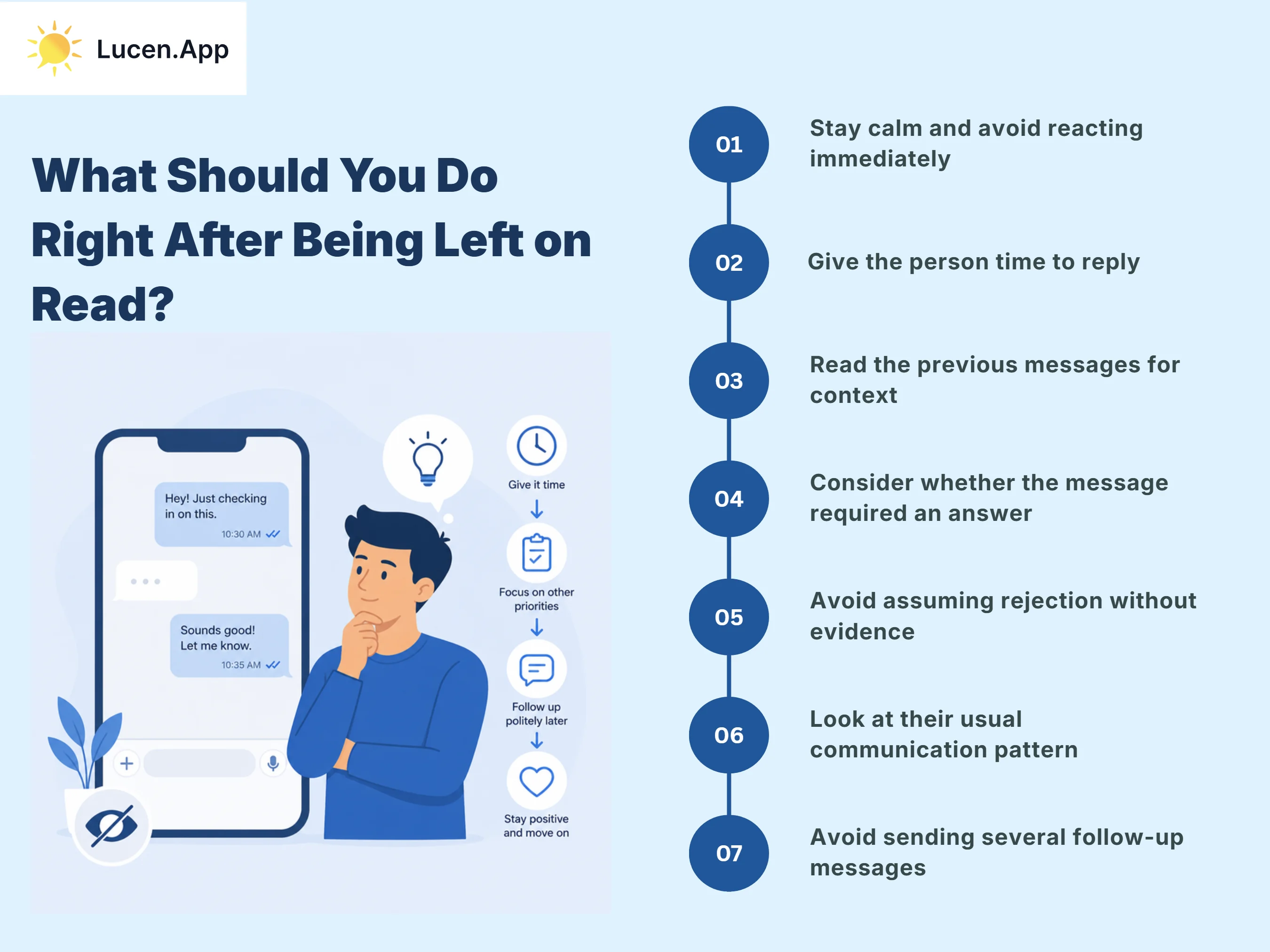
After being left on read, avoid reacting immediately and give the person time to reply. Review the conversation, consider whether your message required a response, avoid assuming rejection, look at their usual communication habits, and avoid sending multiple follow-up messages. These steps help you evaluate the situation based on context and communication patterns rather than a single read receipt.
Consider the following actions before sending another message:
- Stay calm and avoid reacting immediately. Give yourself time before responding so your next action is guided by reason rather than emotion.
- Give the person time to reply. Wait a reasonable amount of time based on the urgency of your message and their usual communication habits.
- Read the previous messages for context. Review the conversation to determine whether your last message genuinely required a response or whether the discussion had naturally ended.
- Consider whether the message required an answer. Distinguish between messages that expect a reply, such as questions or requests, and those that simply share information or reactions.
- Avoid assuming rejection without evidence. Base your conclusions on consistent communication patterns instead of a single unanswered message.
- Look at their usual communication pattern. Compare the current delay with how they normally communicate before interpreting the silence.
- Avoid sending several follow-up messages. If a reply is necessary, send one polite follow-up after a reasonable wait, then allow the person time to respond.
How Long Should You Wait After Being Left on Read?
A few hours of silence is usually normal, but waiting 24 to 48 hours before deciding whether to follow up is more appropriate. The right waiting period depends on the urgency of your message, your relationship with the recipient, and their normal texting habits. People may be busy or distracted, but repeated silence over several days can provide more meaningful context than a single delayed reply.
Should You Follow Up After a Few Hours?
No, you should generally not follow up after just a few hours, with the sole exception of sending a polite, brief thank-you note after a job interview. For status updates, applications, or general replies, waiting a few hours is too soon and can look impatient.
Should You Follow Up After 24 Hours?
Yes, you should follow up after 24 hours only if it is a short thank-you note. Do not ask for a hiring decision or status update yet; instead, wait at least 5 to 7 business days for a status check.
When Should You Stop Waiting?
If several days pass without a reply, it may be time to stop waiting. When repeated follow-ups receive no response and silence becomes a consistent pattern, it is usually healthier to respect the lack of communication and move forward rather than continue pursuing a reply.
What Should You Do When Someone Leaves You on Read?
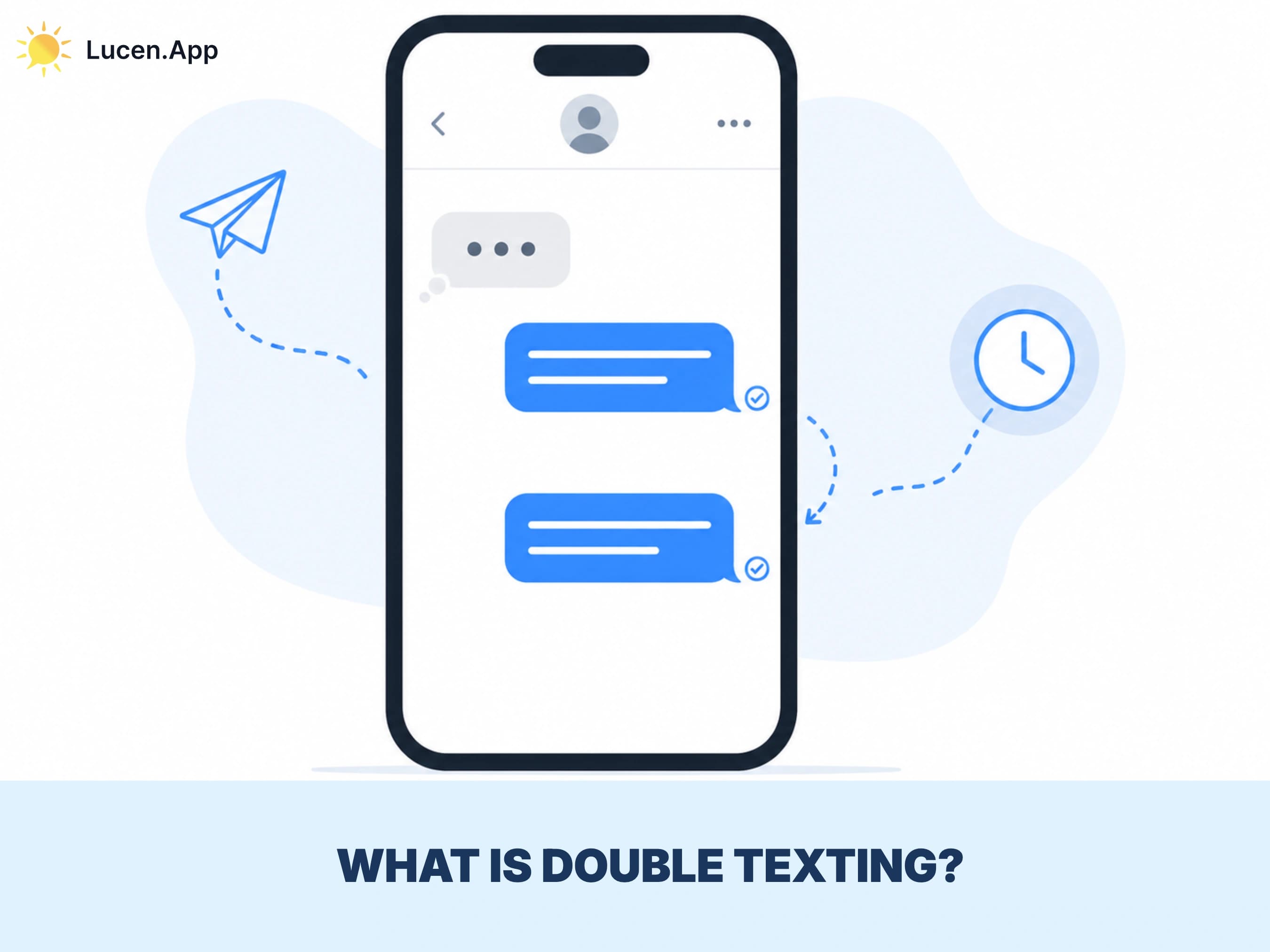
If someone leaves you on read, send one calm, relevant follow-up after a reasonable wait, usually 24 to 48 hours, only if a response is genuinely needed. Avoid double-texting after several days of silence, as repeated unanswered messages often suggest it is healthier to move on. When you follow up, keep your message brief, ask a clear question if necessary, avoid blaming or confrontational language, and do not demand an immediate explanation.
Consider these guidelines before sending another message:
- Send a calm and relevant follow-up. Wait a reasonable amount of time, then send one polite message that relates to the previous conversation without sounding emotional or repetitive.
- Ask a clear question when a response is needed. Make it easy to answer by asking one direct question instead of sending vague or multiple messages.
- Avoid blaming or confrontational language. Keep your tone respectful and avoid accusing the person of ignoring you or demanding an explanation.
- Keep the follow-up brief. Write a short message that communicates your purpose clearly without overwhelming the recipient.
- Do not demand an immediate explanation. Give the person space to reply in their own time instead of pressuring them for an instant response.
How Can You Stop Overthinking After Being Left on Read?
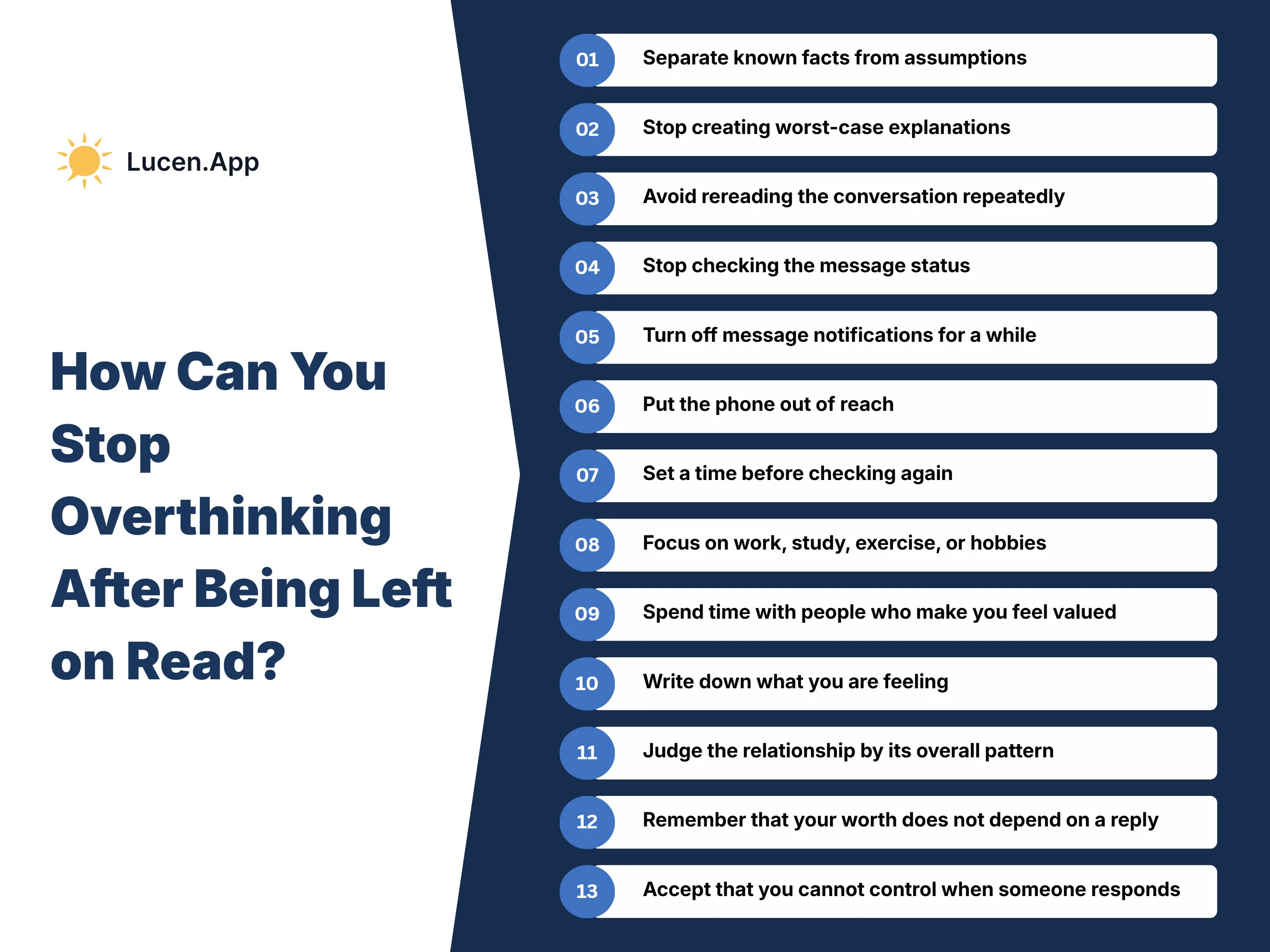
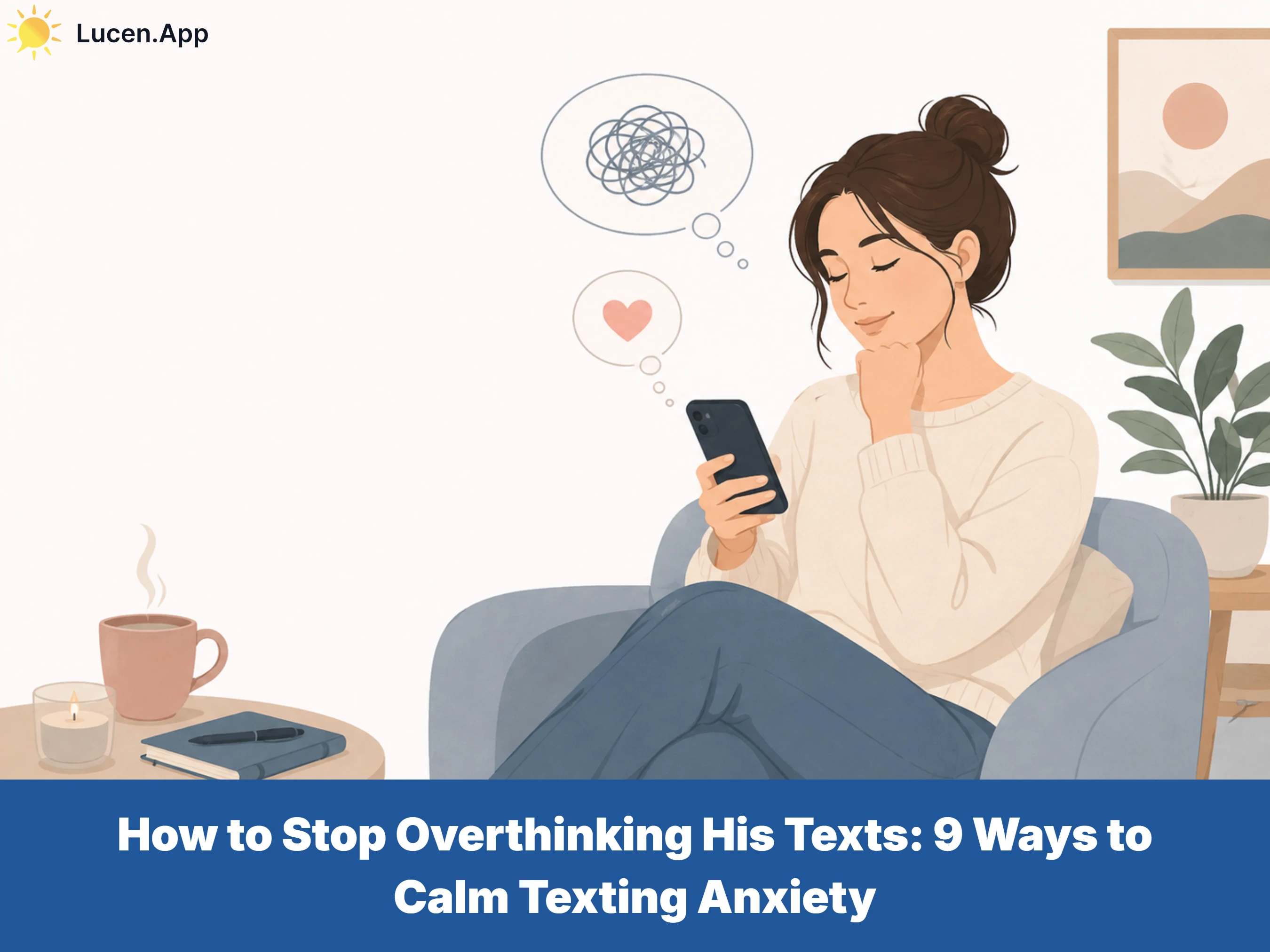
You can stop overthinking after being left on read by separating facts from assumptions, avoiding repeated message checking, focusing on daily activities, and accepting that you cannot control another person's response. These habits help reduce anxiety, shift your attention away from the read receipt, and encourage you to evaluate the relationship based on consistent communication rather than a single unanswered message.
Below are the strategies that can help you stop overthinking after being left on read:
- Separate known facts from assumptions. Base your thinking on what you know, not on guesses about why the person has not replied.
- Stop creating worst-case explanations. Avoid treating silence as proof of rejection when several reasonable explanations may exist.
- Avoid rereading the conversation repeatedly. Resist analyzing every message for hidden meanings that may not be there.
- Stop checking the message status. Reduce the urge to monitor read receipts because repeated checking rarely provides new information.
- Turn off message notifications for a while. Give yourself a break from constant reminders so you can focus on other priorities.
- Put the phone out of reach. Create physical distance from your device to reduce the temptation to check for replies.
- Set a time before checking again. Decide when you will look at your messages next instead of checking them repeatedly throughout the day.
- Focus on work, study, exercise, or hobbies. Redirect your attention to productive activities that keep your mind engaged.
- Spend time with people who make you feel valued. Connect with supportive friends or family instead of focusing on one unanswered message.
- Write down what you are feeling. Putting your thoughts into words can help organize your emotions and reduce repetitive thinking.
- Judge the relationship by its overall pattern. Evaluate consistent communication and behavior rather than one isolated interaction.
- Remember that your worth does not depend on a reply. Avoid measuring your value by whether one person responds to your message.
- Accept that you cannot control when someone responds. Focus on your own actions and boundaries instead of trying to control another person's communication.
When Should You Stop Waiting and Move On?
You should stop waiting and move on if direct questions go unanswered, communication stays one-sided, follow-up messages receive no response, the situation harms your peace of mind, the person only contacts you when they need something, or their actions repeatedly contradict their words. These patterns often provide a clearer picture than one unanswered message and can help you make healthier communication decisions.
Consider the signs below before deciding whether it is time to move on:
- The person repeatedly ignores direct questions. Consistently avoiding important questions makes meaningful communication difficult.
- Communication remains one-sided. If you are always starting conversations, the effort may not be mutual.
- Follow-up messages receive no response. One polite follow-up is reasonable, but repeated silence may indicate it is time to move on.
- The pattern harms your confidence or peace of mind. Prioritize your well-being if the uncertainty causes ongoing stress or self-doubt.
- The person only responds when they need something. Healthy communication involves consistent interest, not convenience.
- Their actions repeatedly conflict with their words. Pay attention to consistent behavior rather than occasional promises.
What Are the Best Memes About Being Left on Read?
The best memes about being left on read include self-deprecating jokes, relatable texting humor, dramatic exaggerations, sarcastic reactions, and confident moving-on messages. These meme styles help people express disappointment, frustration, or acceptance humorously, making the experience of being left on read feel more relatable while encouraging laughter instead of overthinking.
What Are the Best “Leave Me on Read” GIFs?
The best "Leave Me on Read" GIFs include funny reaction GIFs, confused expressions, dramatic facepalms, sarcastic eye rolls, disappointed reactions, and confident walking-away moments. These GIFs let people express frustration, humor, or acceptance without sending another message, making them a lighthearted way to react while avoiding unnecessary double-texting.
What Are the Best Left-on-Read Stickers?
The best left-on-read stickers include funny crying characters, facepalm reactions, eye-roll expressions, sleeping cartoons, awkward smiles, and confident thumbs-up or peace-sign stickers. These stickers add humor or lighthearted emotion without escalating the conversation, making them a simple way to acknowledge being left on read while keeping the interaction casual.
What Are the Best Quotes About Being Left on Read?
The best quotes about being left on read include humorous one-liners, confidence-building messages, thoughtful reflections, and reminders about self-worth. For example, "A read receipt tells you a message was seen, not what someone is thinking," and "One unanswered message does not define your value." These quotes encourage perspective, resilience, and healthier communication.
What Does the “CEO of Getting Left on Read” Meme Mean?
The “CEO of Getting Left on Read” meme refers to someone who frequently gets ignored after sending a text message, specifically when the other person views the message but does not reply. It pokes fun at someone's constant bad luck or awkward habit of being ignored in online chats.



_result.webp&w=3840&q=75&dpl=dpl_DmcYM65DKNssHHvask5qvpsyRCms)